Current estimates put the number of galaxies in the observable universe at 2 trillion. That’s roughly what we can see before the speed of light and the accelerating expansion of the universe, acting like a cosmic curtain, prevent us from viewing anything past a specific horizon. And that’s a conservative number, since recent estimates put the number beyond our vision at anywhere from 20 trillion to infinity.
What is a trillion? A trillion is a million millions. A trillion seconds is approximately 31,709 years.
Looking purely at one galaxy, our own Milky Way, it contains 100 to 400 billion (with a “b”) stars. The range of possible stars is so wide because it’s hard to see through thick clouds of dust and gas in the galactic disk, and many stars are dim red dwarfs that are difficult to see and count. Nevertheless, our Sun shares this galaxy with another 100 thousand million stars at a minimum, and perhaps up to 4x that number. Amazingly, a mere 100 years ago astronomers thought the Milky Way contained all stars in existence!
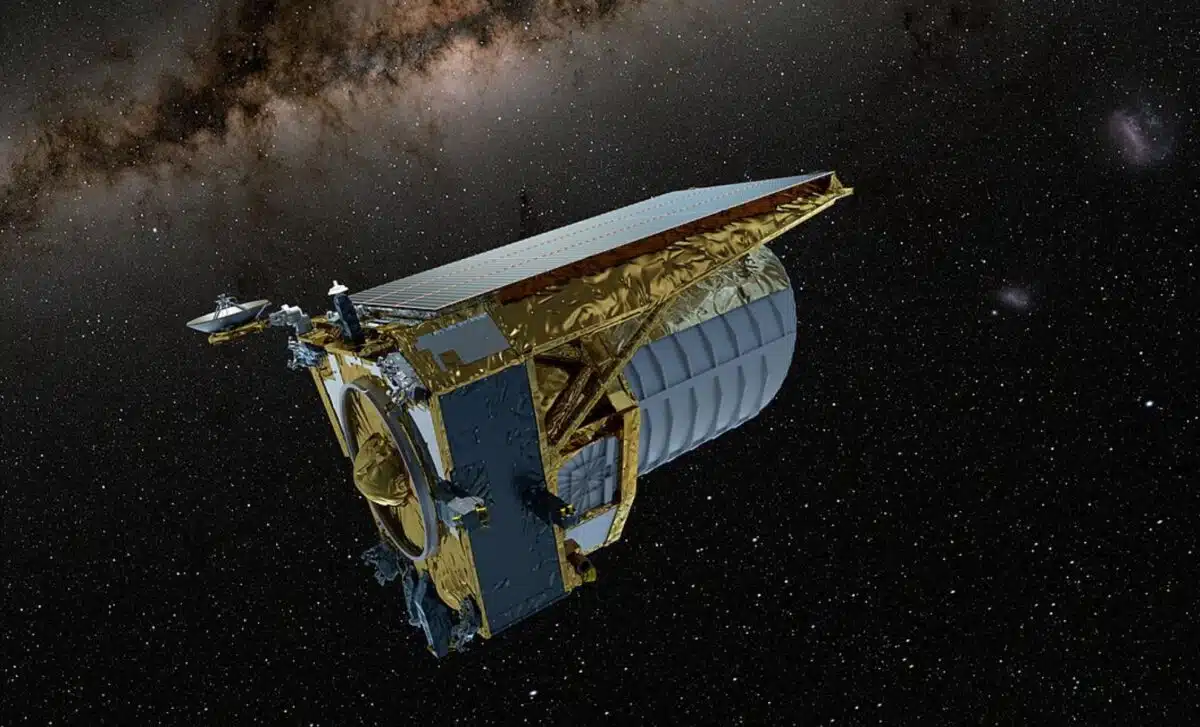
The European Space Agency’s Euclid telescope, launched in 2023, has provided some sobering imagery recently. They focused the telescope on the “bulge” in the middle of the Milky Way and took a photo of 60 millions stars, just a small patch of the sky (see red square below).
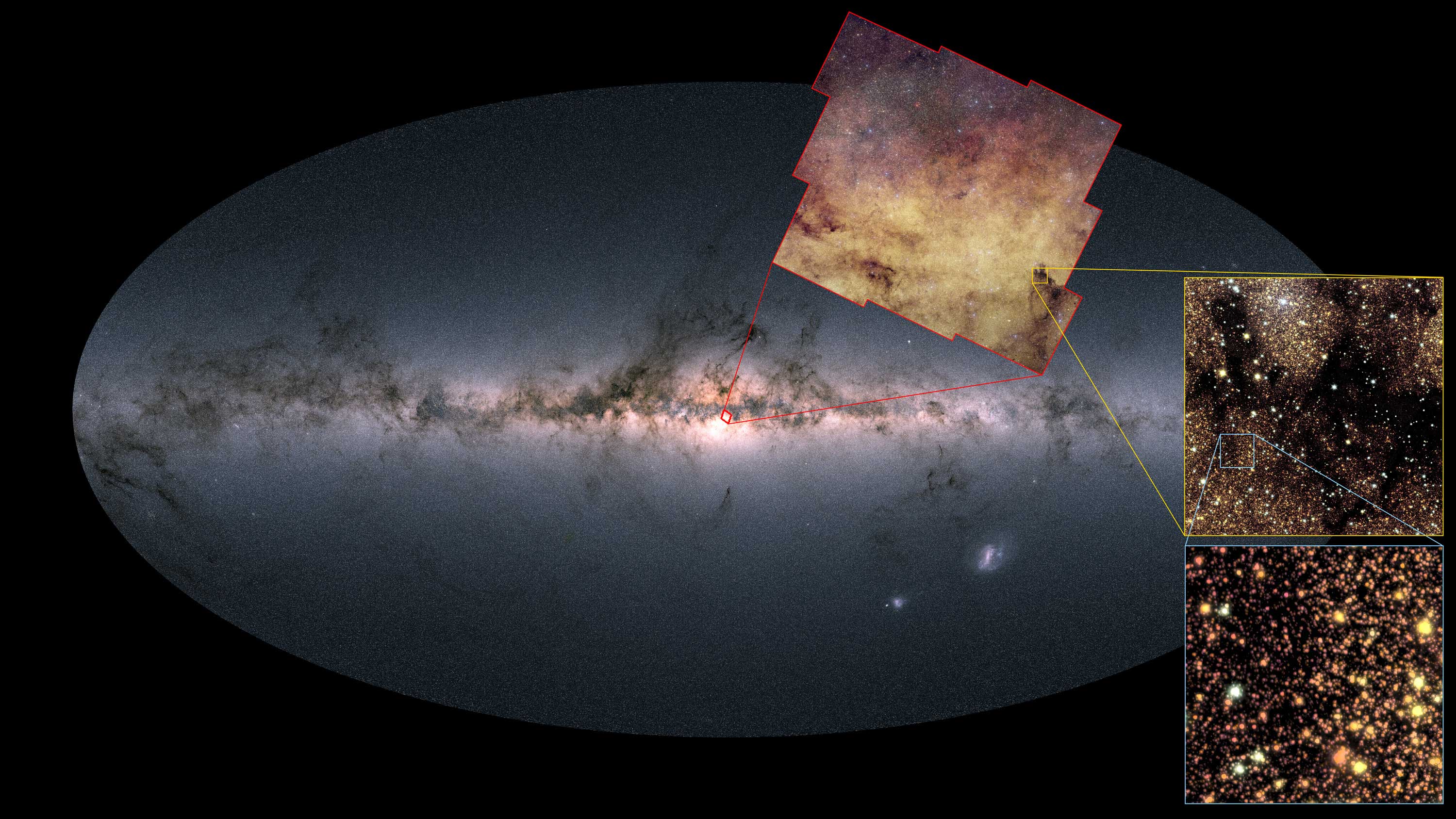
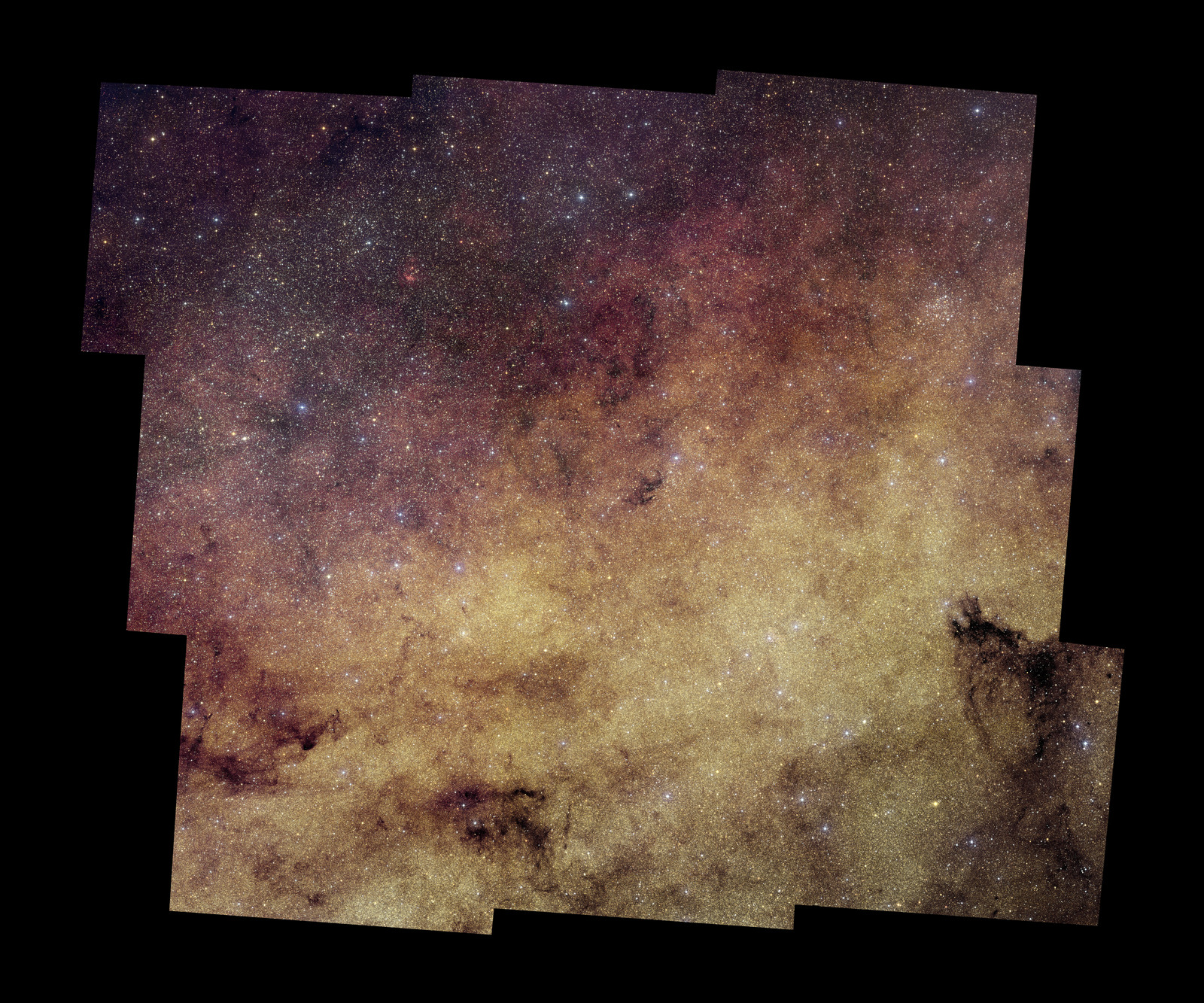
Here’s a close-up of the above image, showing the incredible number of stars in this one small area. Look closely, every tiny dot is a star, and they all have planets and solar systems, perhaps much like our own.
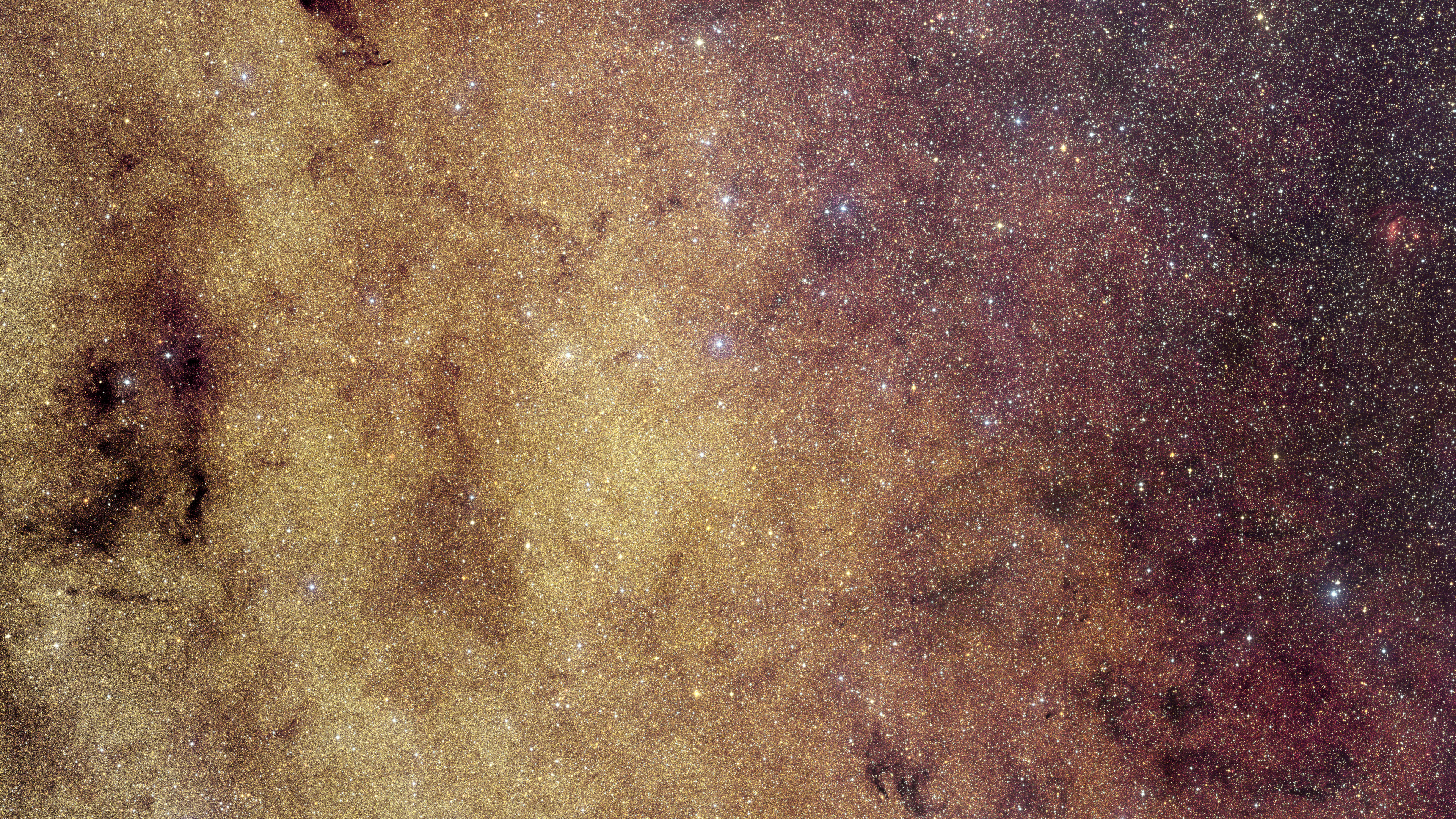
Let’s take the lowest estimate of stars in the Milky Way: 100 billion. If you looked at each star in the Milky Way for just one second, it would take you 3,170 years to glimpse them all. And it could take up to 4x that amount of time if the higher estimates of star numbers are true. The mind truly boggles.
It’s interesting that one belief system, Buddhism, teaches that embracing our inherent personal insignificance is a profound gateway to spiritual liberation. Rather than treating insignificance as a source of despair or low self-esteem, Buddhism frames it as a joyful relief from the exhausting burden of ego-identity and self-importance.