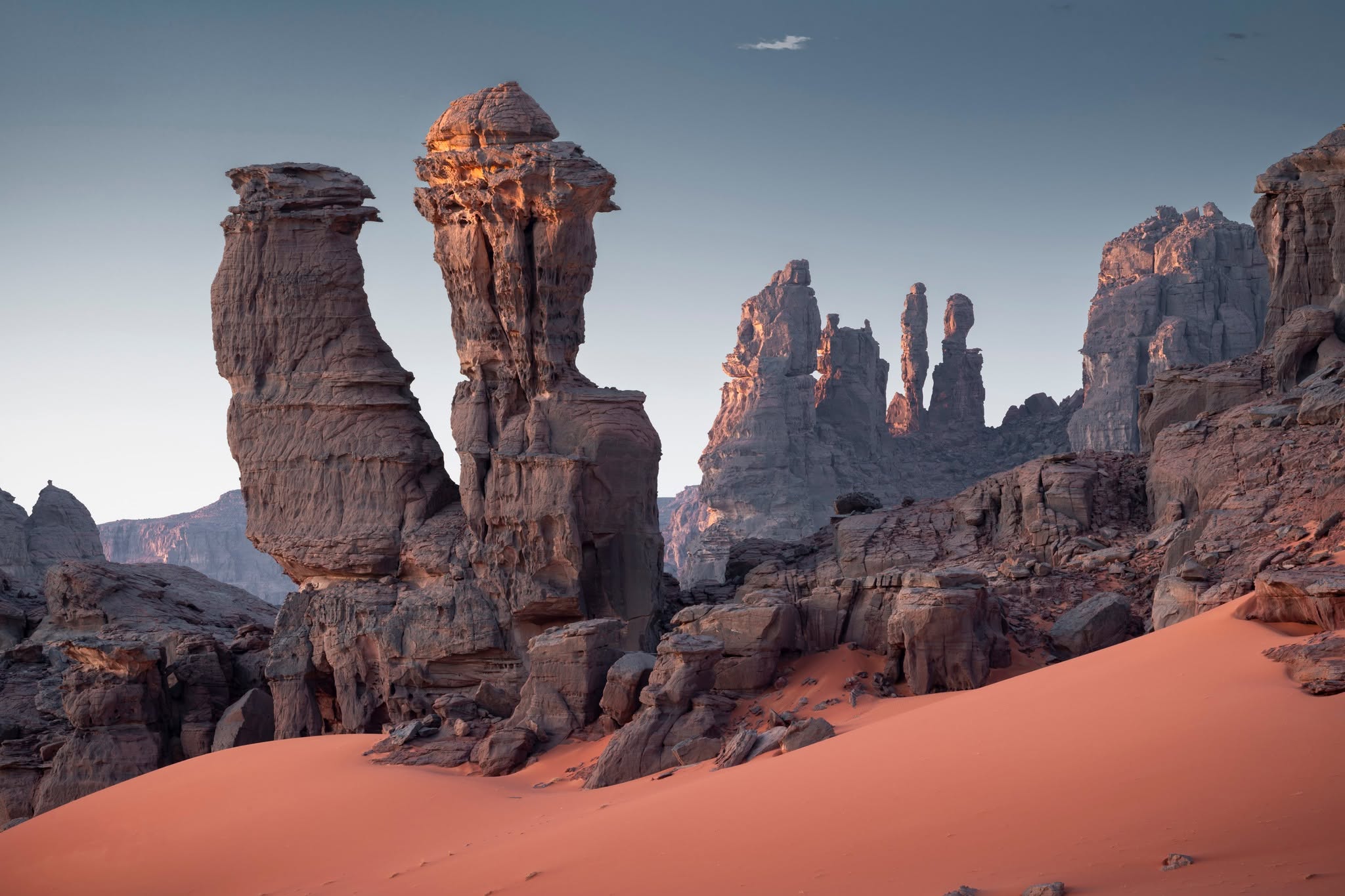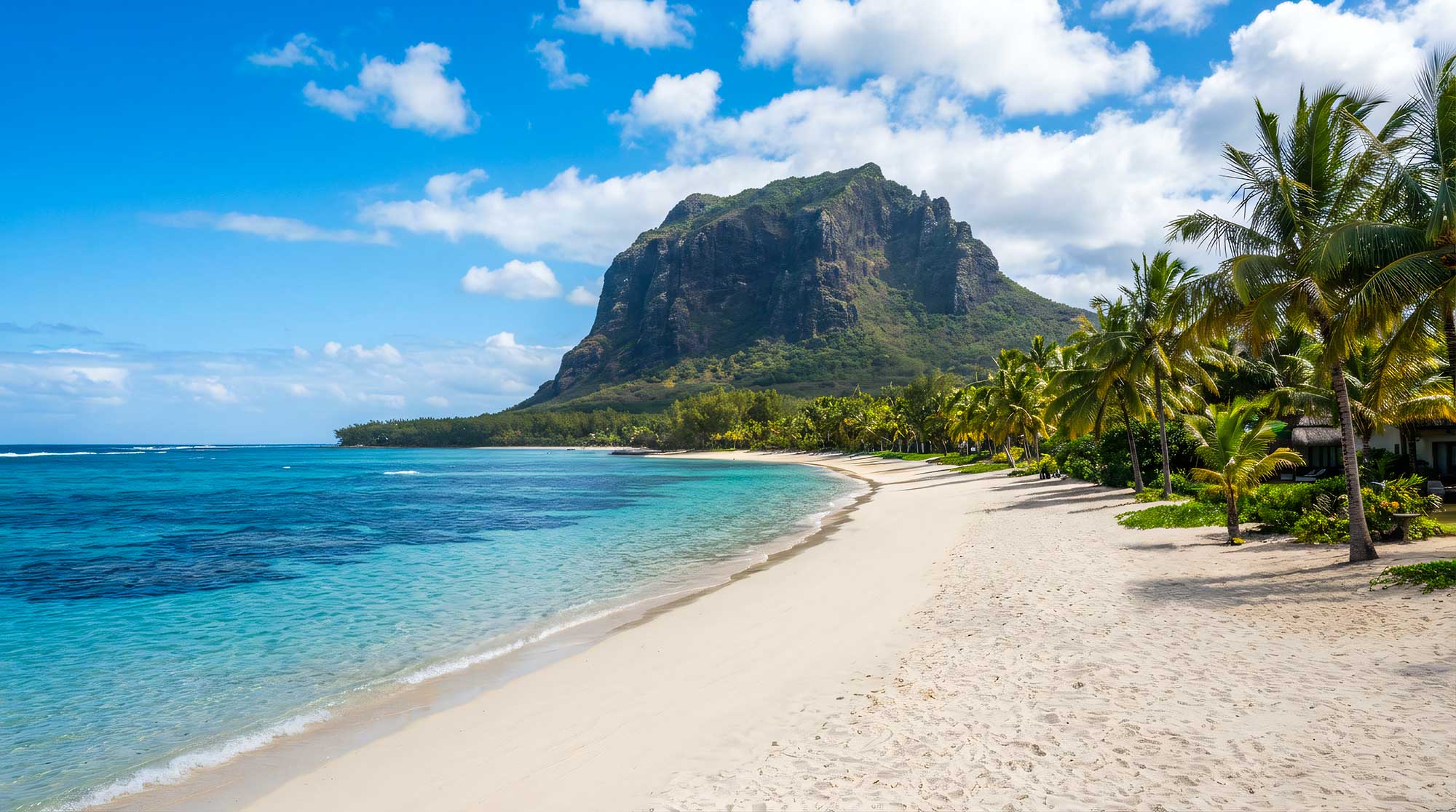
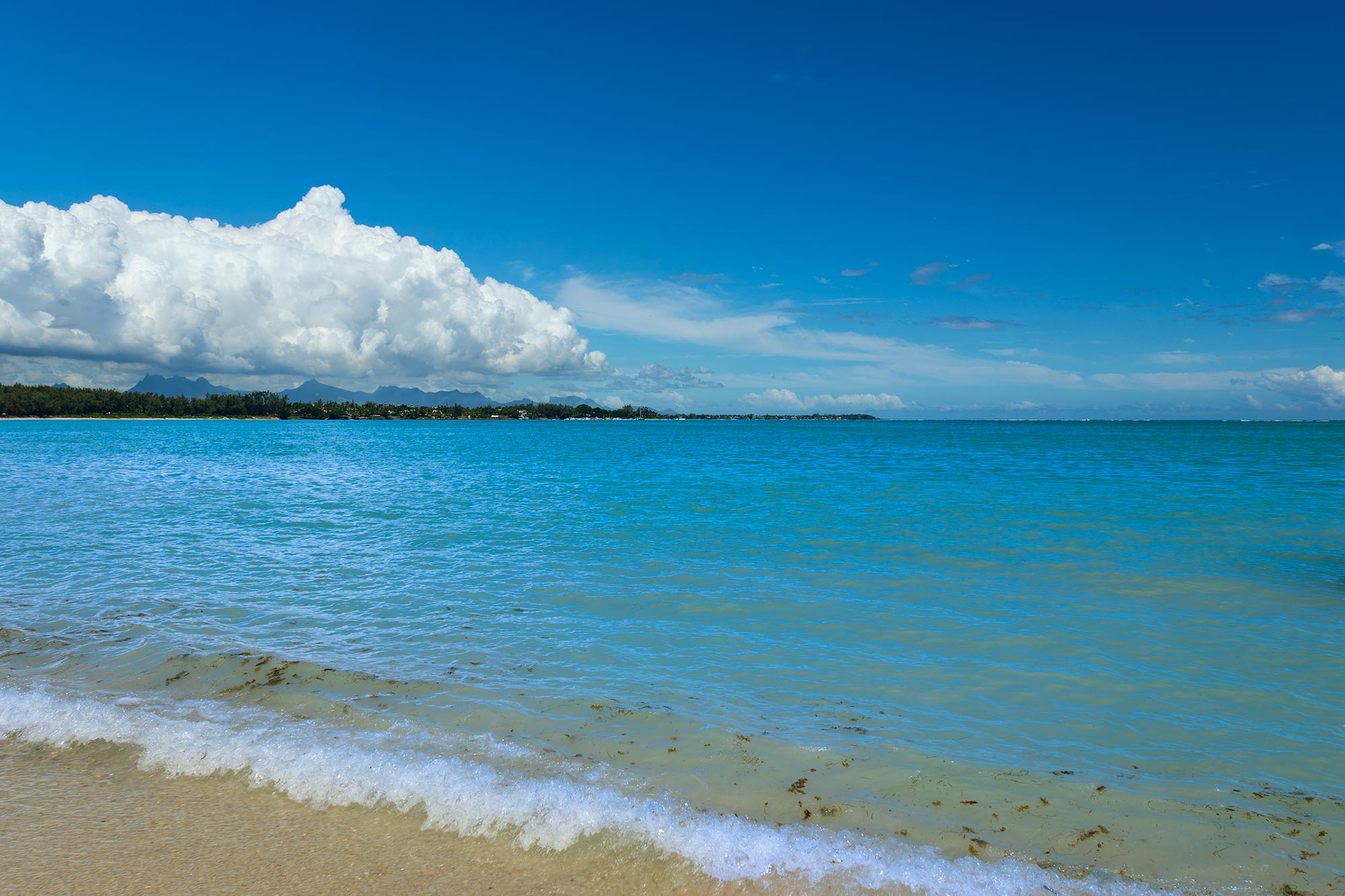
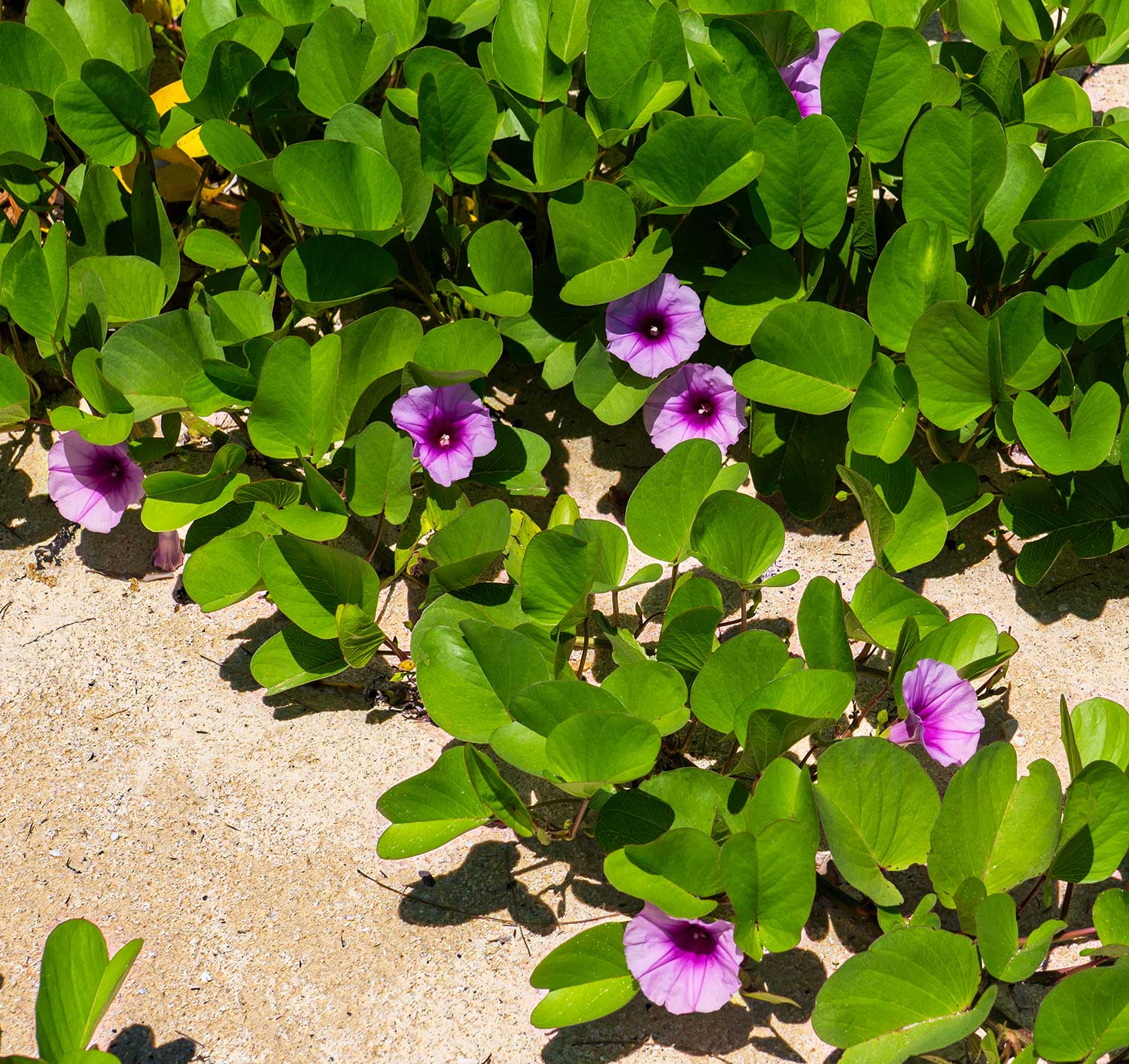
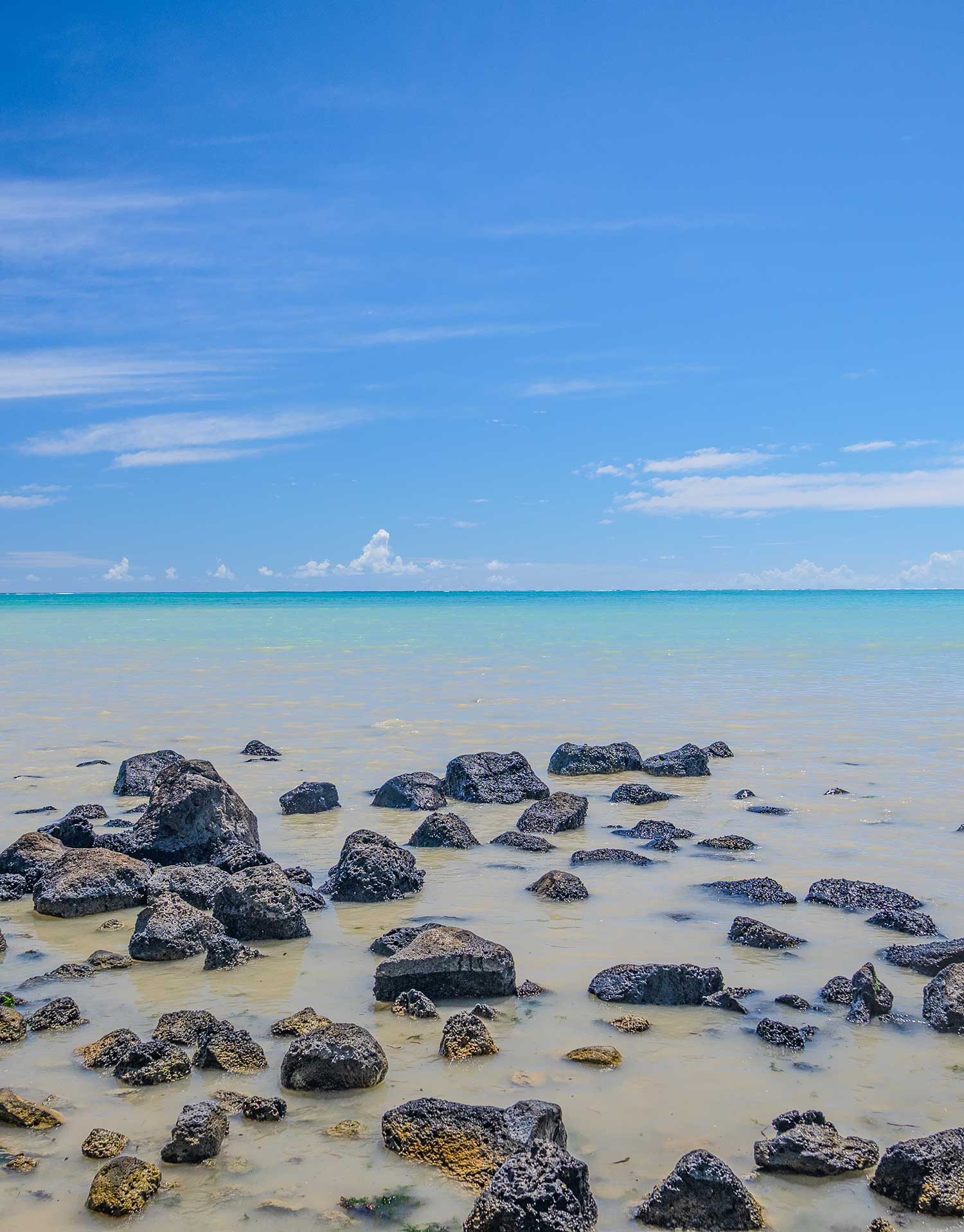
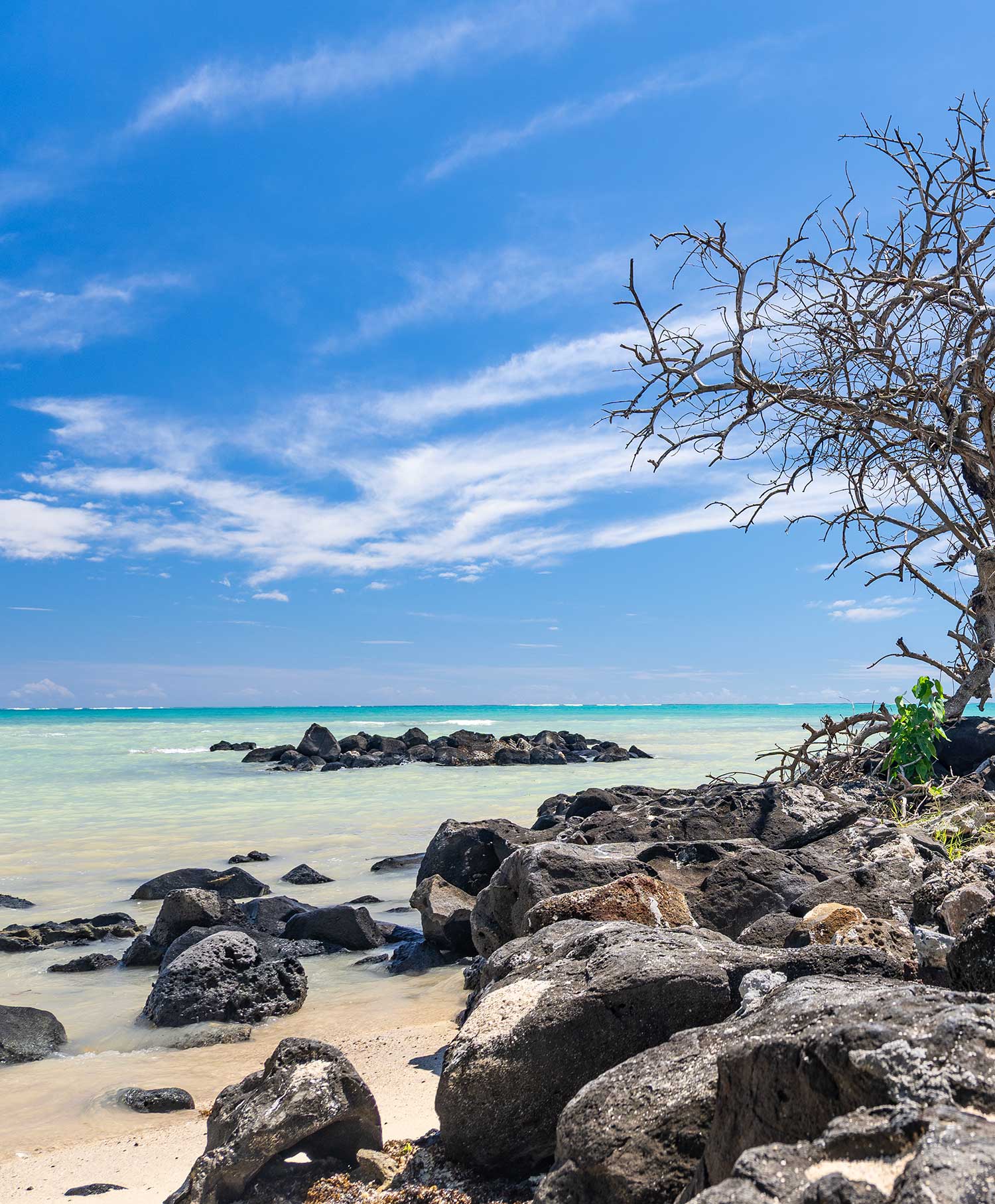
I spent a lazy month in Mauritius recently. Here are some photos and my general impressions of the island.
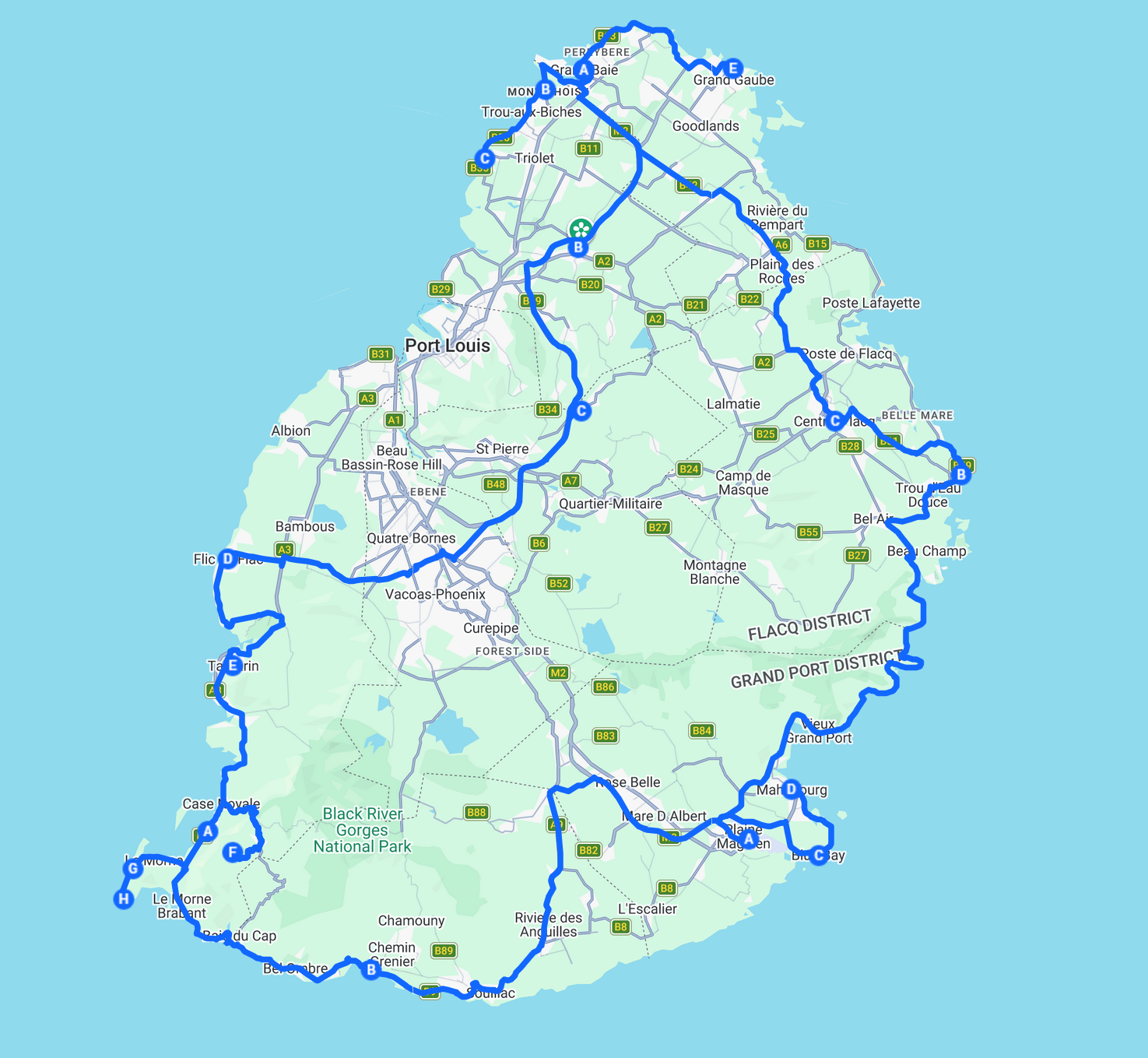
The ideal way for most people to visit Mauritius is to book into a luxury resort on a private beach, for about a week to ten days. That’s long enough for this small island. So of course I decided to do it another way, driving from town to town, staying at whatever place popped up on booking.com, for an entire month. This gave me a much more realistic and granular look at the country, warts and all, which I prefer to the mollycoddled cocoon of a resort hotel.
Weather
The tropical island of Mauritius, or “Maurice” as the locals call it, is stiflingly hot and humid for months of the year, sending many of the wealthier residents fleeing into exile in South Africa, or further abroad. Unfortunately, climate change is exacerbating the extreme weather, with every extra degree Celsius adding about 7% more humidity to the air. The net effect in summer in Mauritius (and in many tropical places around the world) is that you can only get things done early in the morning or late in the afternoon, and shelter inside with air conditioning the rest of the time. People really don’t understand global heating. It doesn’t mean temperatures are going up just 1°C or 2°C, because that’s just the global average. Over land it works out much more, and more again in cities due to the heat island effect. So most humans will get much hotter than the 1.5 – 3°C warming discussed by world scientists and governments as a global figure. At times, scientists estimate, cities will be as much as 7°C (12°F) hotter than the surrounding countryside, along with the increased humidity that results from climate change. Changes like this are simply untenable for mammals. This combination of heat and humidity can kill humans. The guideline for tolerability is 35°C (95°F) “wet bulb” temperature – a scale that measures when our bodies can no longer cool using sweat, leading to hyperthermia and death within hours. Mauritius is already at a daily average of 33-34°C (91-93°F) with over 90% humidity in summer. The future for the island, for months of the year, therefore looks bleak. If you cannot fly away to cooler climes, you may only be able to work at night. That’s coming not only to Mauritius but the tropics generally.
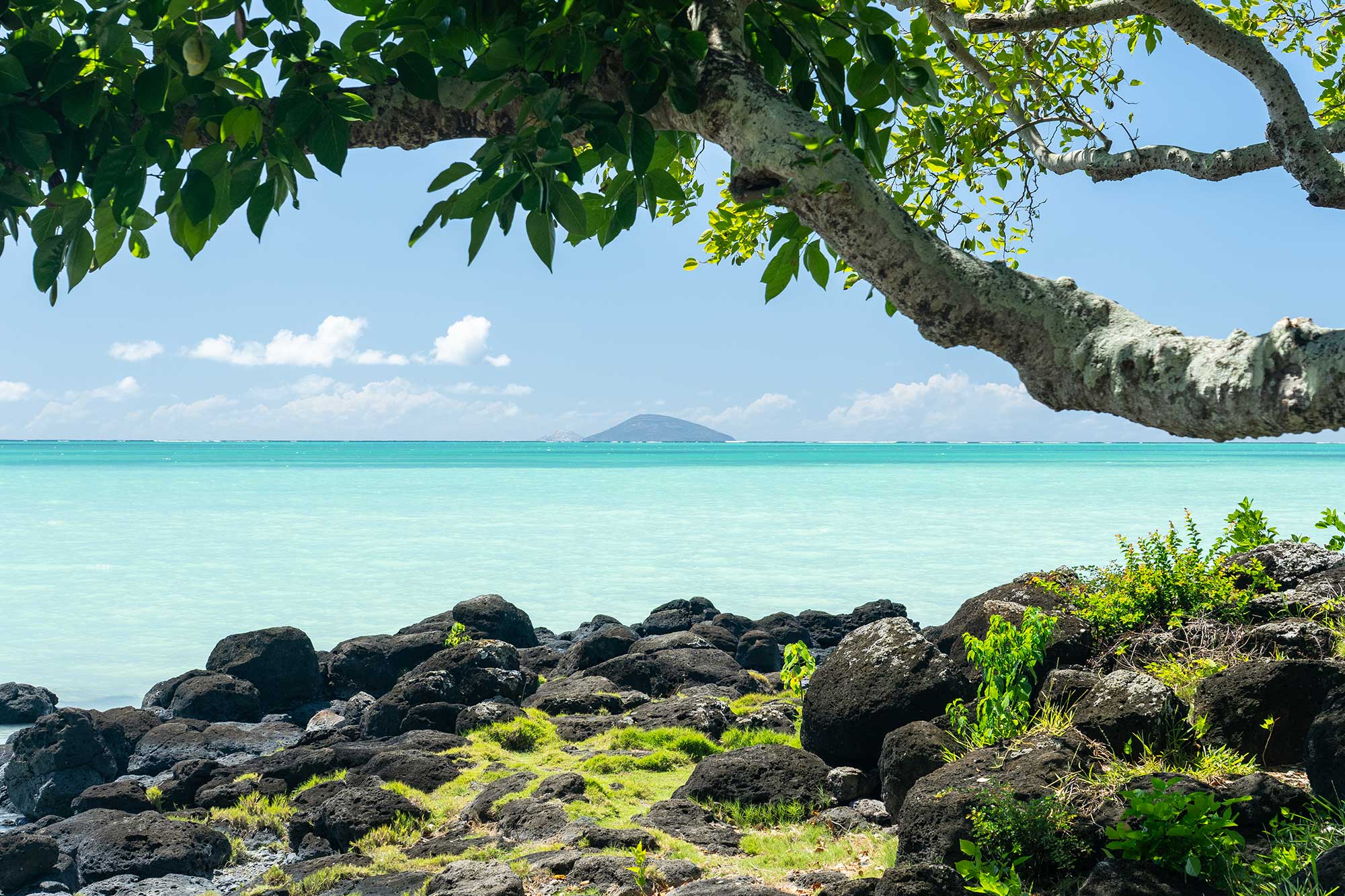
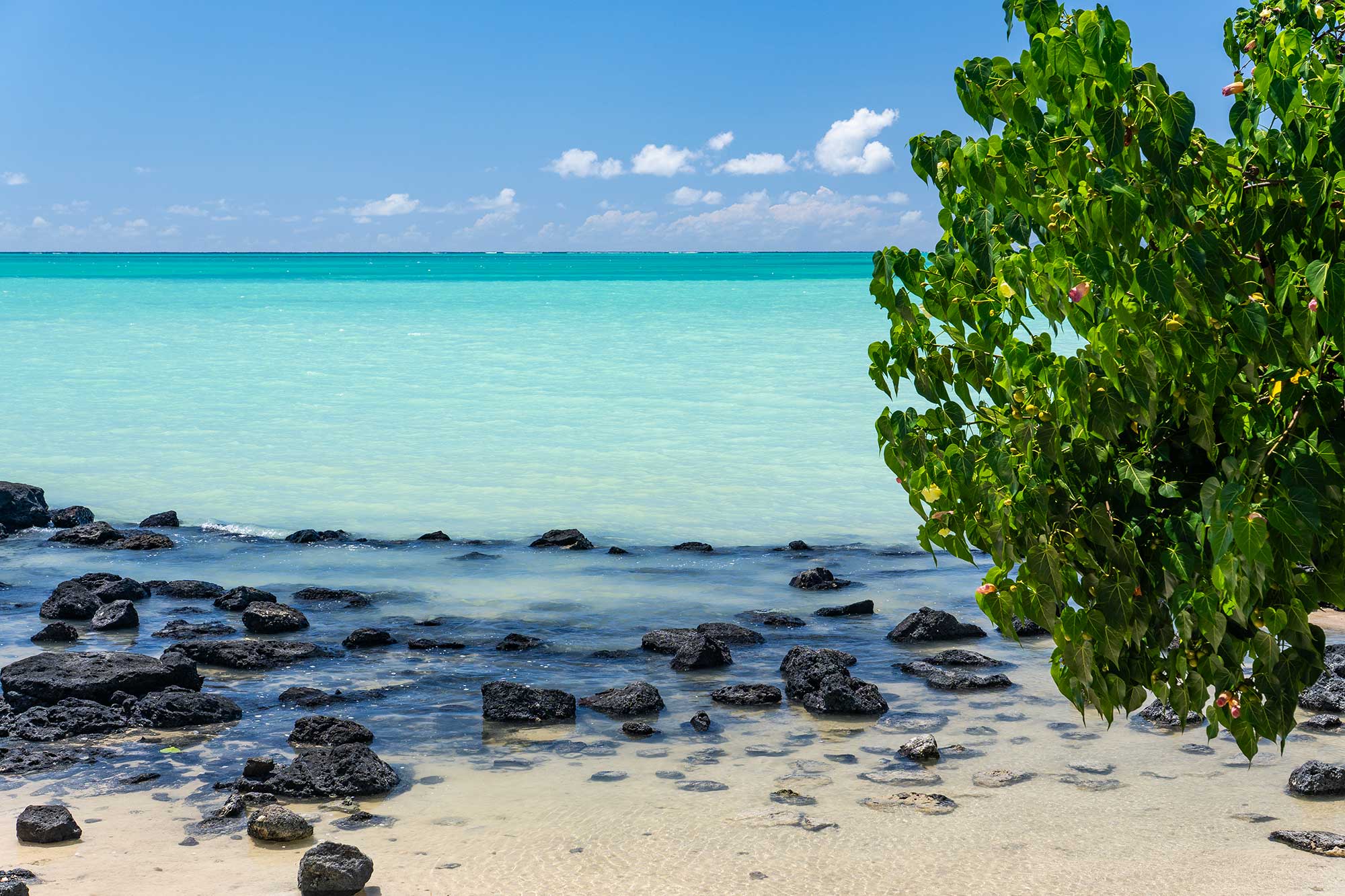
I also noted how many areas of the island are sitting right down at sea level, and will be under water within the lifetimes of today’s children. This includes many of the island’s premier locations and some of the most expensive real estate.
Other challenges
Along with the deteriorating heat and humidity, Mauritius has experienced increasing rainfall in the last few decades, as predicted by climate scientists. Although precipitation declined from 1950 to 1990, there has been an upward trend of approximately 100mm (3-4 inches) per decade since 1990, largely due to climate change. This will probably continue for decades, making flooding and mosquito management a severe challenge. In recent years, tropical diseases like dengue and chikungunya have arrived (or returned with a vengeance), making summers hazardous. Dengue (breakbone fever) re-emerged in 2009 after being absent for over 30 years, and since then the country has experienced multiple outbreaks, including in 2014, 2015, 2019, 2020, 2023, 2024, 2025, 2026. Now there is also chikungunya (a horrible, debilitating disease) that arrived in 2005 (over 11,000 officially reported cases), then again in 2009 (over 12,000 reported cases), and now 2025–2026 (as of 30 March 2026, over 2000 confirmed cases since the outbreak started). It’s all going to get steadily worse, because the increasingly wet, hot and humid conditions are creating a paradise for mosquitoes. And to make matters worse, the Asian tiger mosquito (Aedes albopictus) arrived in Mauritius in the 1990s, and it’s a major vector for dengue fever, chikungunya, and Zika virus. This nasty parasite is known as the “barbeque stopper” because it attacks persistently during daylight hours. Its nickname derives from the mosquito’s aggressive, constant daytime biting, which can make it impossible for people to enjoy outdoor activities like barbeques, picnics, and backyard leisure.
I went everywhere slathered in repellent. No wonder many wealthy Mauritians now spend the summer away from the island to avoid these diseases, as well as dodge the sweltering heat. Alarmingly, most of the places I stayed didn’t even have insect screens on the windows! People rely on closed doors and windows in combination with air conditioning to keep them safe, but I did see some tourists with legs and arms absolutely covered in bites.
And it gets worse: the current dengue in Mauritius is only one of 4 possible serotypes of the virus, and all 4 types can cause the full spectrum of disease, from mild symptoms to severe dengue. The nasty surprise, not widely known, is that infection with one type provides lifelong immunity to that specific type, but not to the others. And here’s the rub — you can get one serotype and only have a mild illness, but if another serotype arrives in Mauritius (an inevitability) and you get infected with that one, look out! With re-infection by a different serotype of dengue, you have a reasonable chance of having a massive reaction, known as a ‘cytokine storm‘, which includes plasma leakage, abnormal bleeding, shock and death. There is currently no specific treatment for severe dengue due to gaps in understanding of the underlying mechanisms. This is a potentially very dark cloud on the horizon for the island that nobody is talking about yet.
Outbreaks of dengue and chikungunya are still relatively limited in Mauritius. There’s a huge spraying program to keep mosquito numbers down. But the trends are not good, with increasing rainfall, humidity, pesticide resistance, and economic uncertainty. If societies start to break down and money becomes scarcer, for instance if something happens to damage the tourism industry in Mauritius —such as a big move away from fossil fuels because of war disruption (as currently in 2026), or liquid fuel depletion (which will happen eventually, even if everything else goes well), or because humanity finally gets serious about climate change and starts to restrict the use of fossil fuels, or simply because EVs start to muscle out liquid fuels from the world stage, making them expensive and hard to source— then Mauritius will find it hard or impossible to fund widespread programs to control insects. Things could start falling apart bigly, as the orange emperor would say.
More reading: Dengue in Mauritius
The People of Mauritius
I met some delightful, kind people on the island, many of them immigrants to Mauritius, but I also came across quite a few outlandishly rude and uncouth people. It’s a really mixed bag. “Mauritians are like a box of chocolates; you never know what you’re going to get” (something Forrest Gump may have said).
On both occasions I filled my rental car with fuel, the gas station attendants, seeing a tourist in a clearly labelled rental car, tried to steal from me by reporting a higher total (by several Euro) to the cashier than had actually been dispensed. The first time I just acquiesced so as not to cause a fuss, but the second time it happened I got into a shouting argument about it, and eventually prevailed. I’ve never experienced this in any other country.
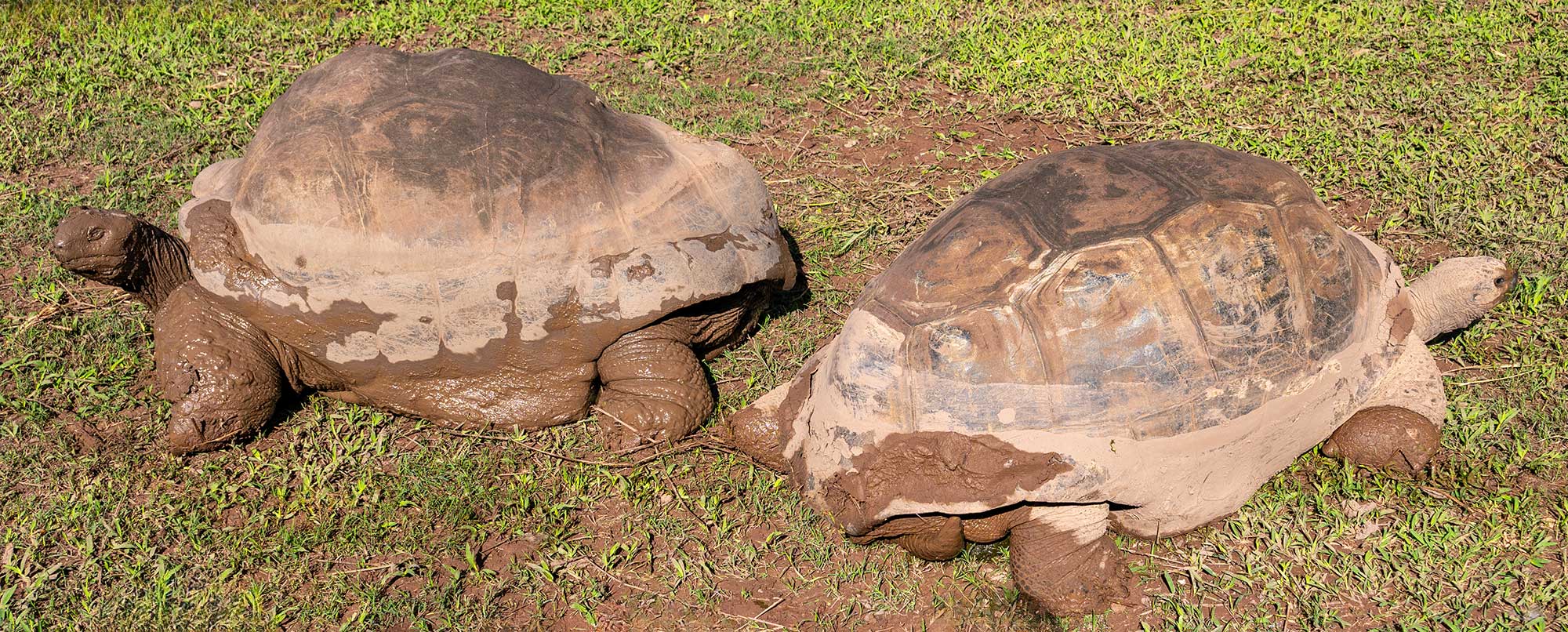
The proclivity to rudeness seems to be a feature of the island, with some shop attendants scowling, looking angry and almost cursing when asked a simple question. Many years ago, I experienced unwarranted incivility from members of the francophone, Caucasian, wealthier tier of Mauritius, the kind that now cowers behind barricades in gated communities to keep the Mauritian hoi polloi at bay, so it’s apparently a characteristic that spans all strata of society on the island, and seems to be an unfortunately persistent parochial trait. Is this arrogance derived from the island’s French influence, I wonder? Or just an odd quirk of the island’s geographic isolation, like the insular gigantism of island tortoises, yet another form of what scientists call “island syndrome“?
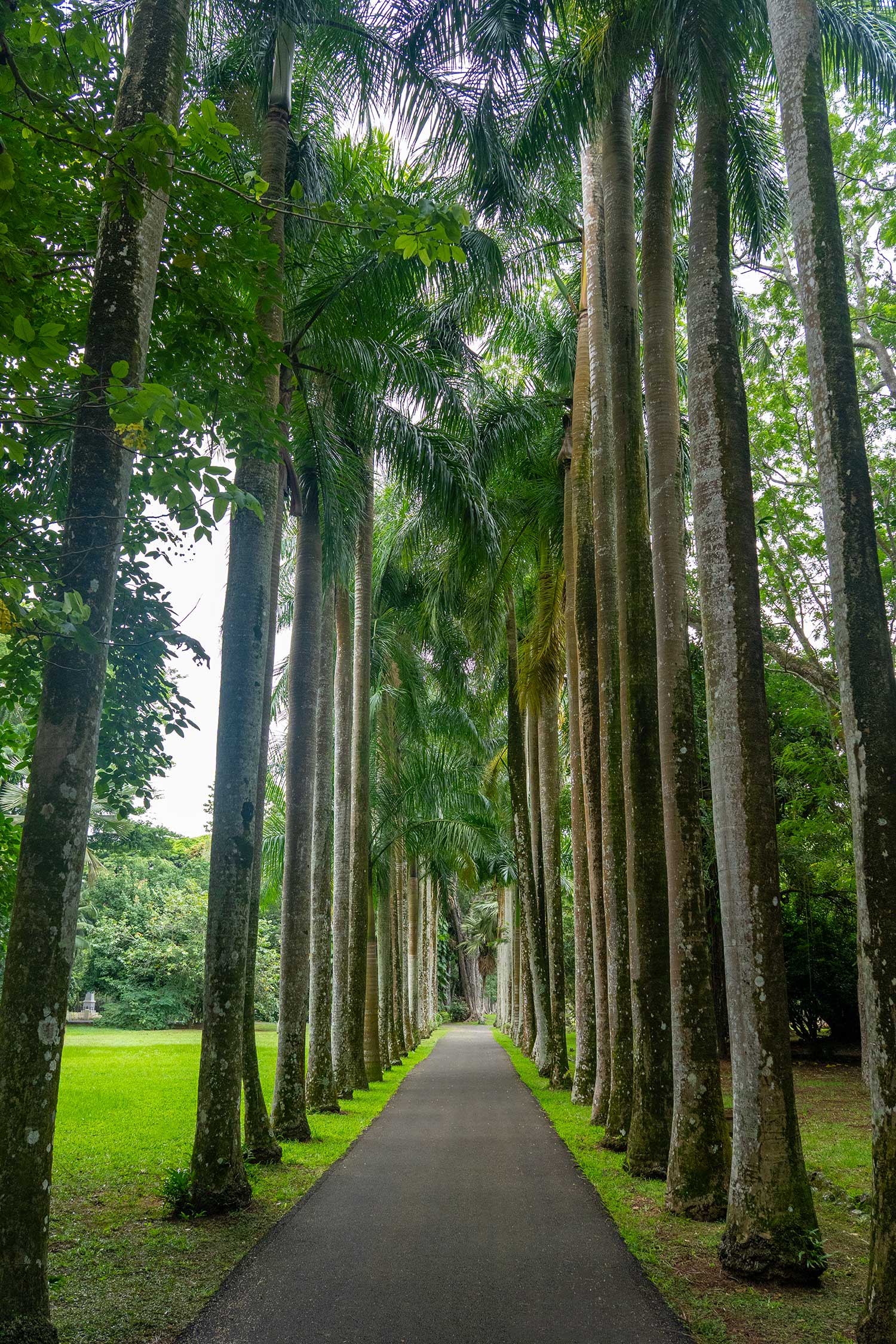
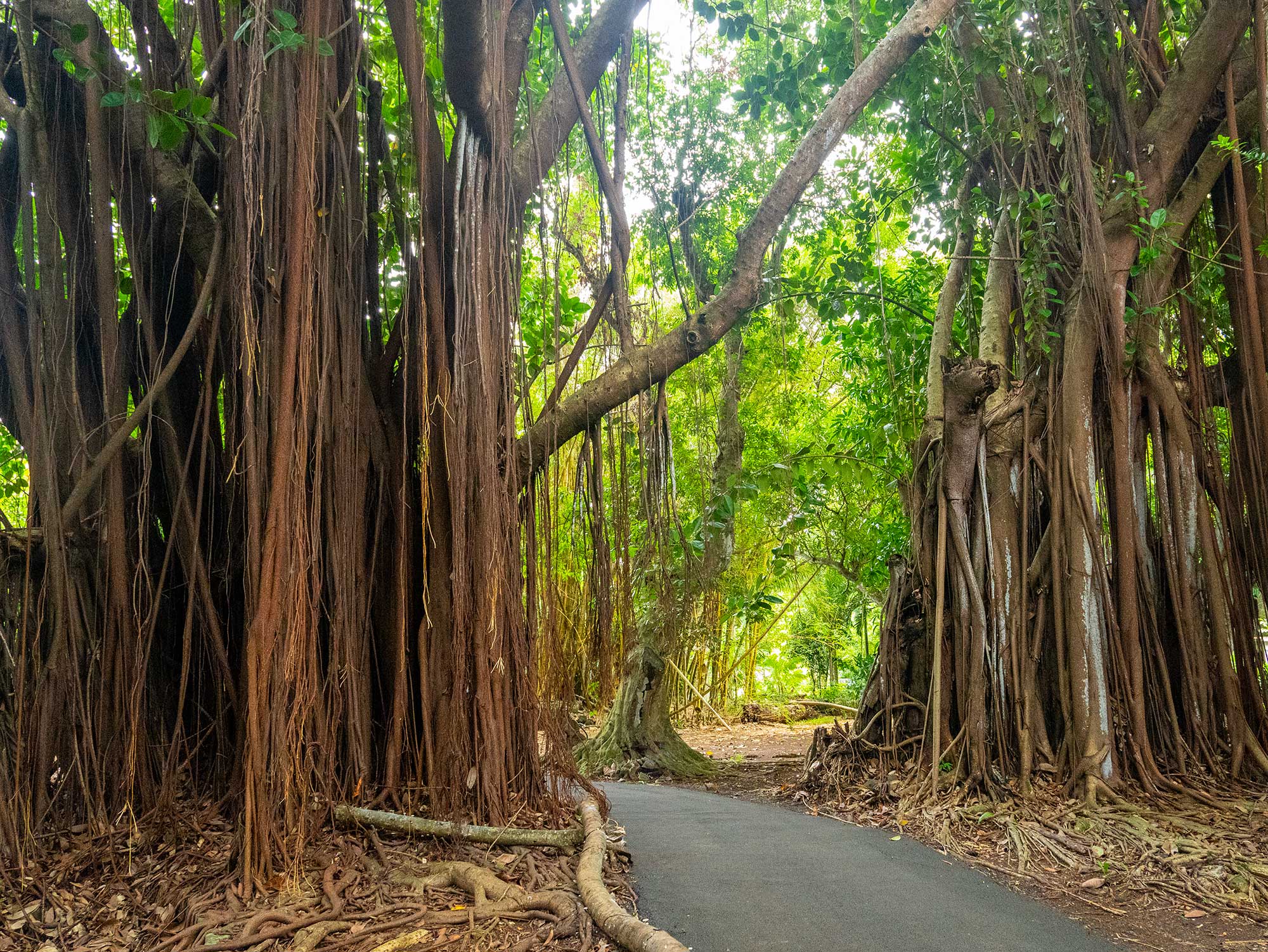
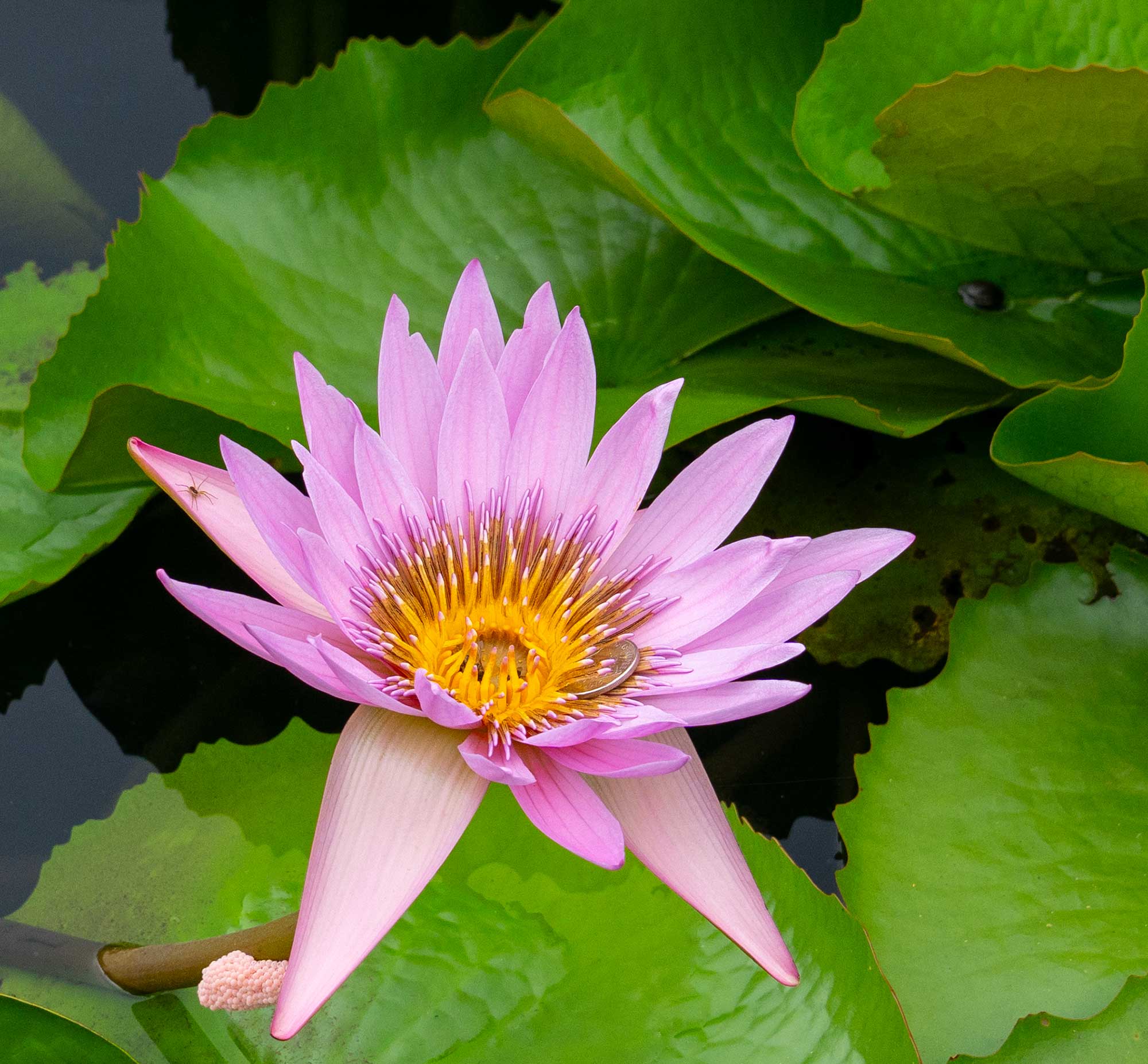
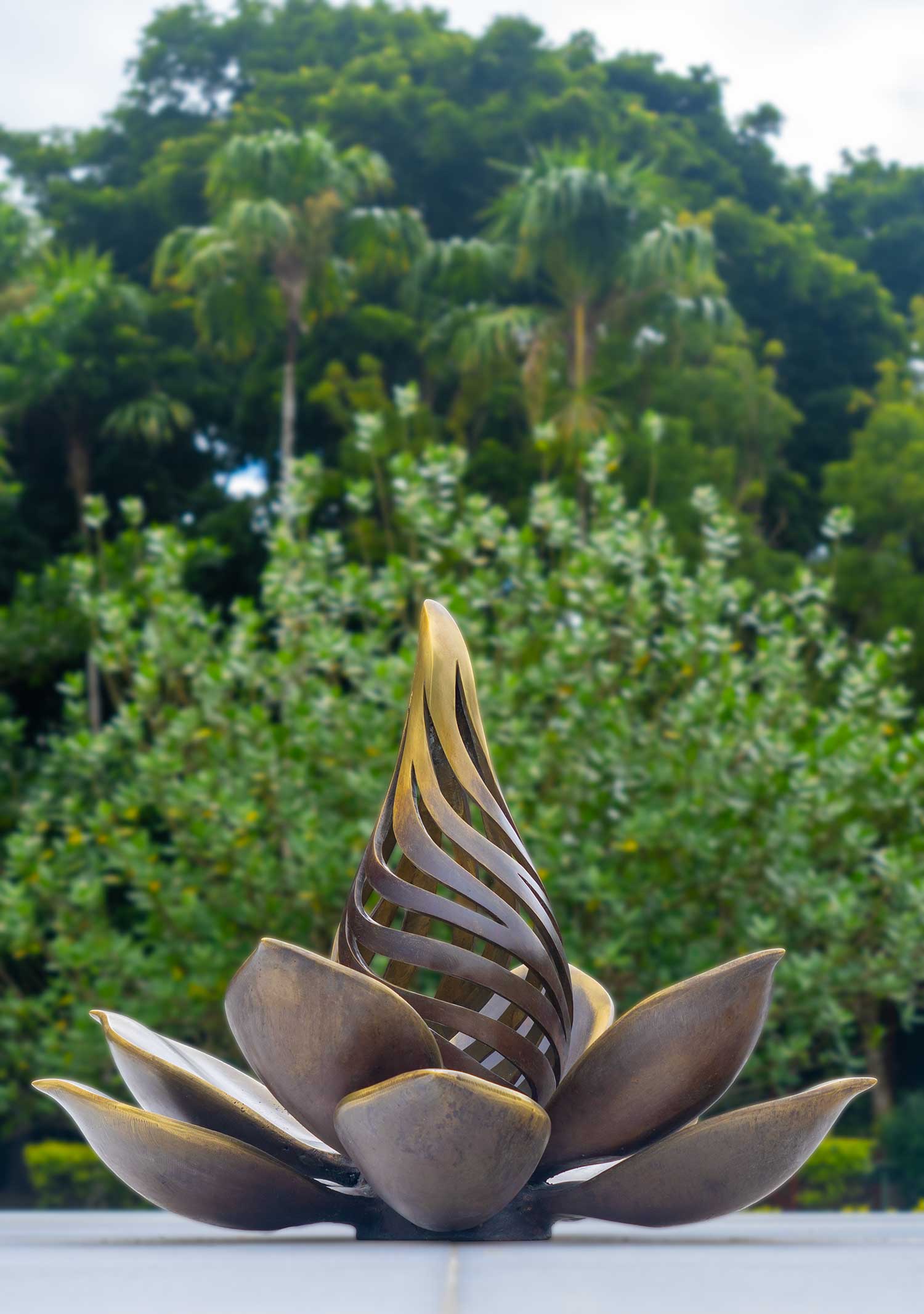
General impressions
When I initially arrived in the country, I travelled up the East coast at night, and was taken aback by the look of the place. I found myself picking my way in the dark, with difficulty, up a goat track of a road, horribly narrow, potholes everywhere, numerous feral dogs wandering into my path (there are 300,000 wandering stray dogs on the island), drunk locals stumbling into the road unpredictably, cars driving dangerously at breakneck speeds along the pencil-thin avenues, and houses butted up right onto the sidewalk-free roads. I started to see why many South Africans refer aptly to the island with the sobriquet “Soweto by the Sea” (Soweto is a black slum in South Africa).
All over the island, it was disappointing to see so much trash discarded at the sides of the roads: bags of household rubbish, old sofas, fridges, etc. I’ve heard this behaviour is very typical in India, so it’s perhaps a cultural practice transplanted to Mauritius —sometimes called “Little India” (Chota Bharat)— from that country.
In some areas, I was struck by the jarring juxtaposition of opulent mansions and, within metres, shanties and abject poverty (for example, Pointe d’Esny). Societies with profound socioeconomic stratification like this always have some inherent instability, and it only takes a stressor to expose the schisms.
Much of the housing stock is comically badly constructed by unskilled labourers. Most Airbnb’s have been built by completely untrained Indo-Mauritian entrepreneurs and would never pass a building inspection in a western country. Loose fittings, doors with big gaps all around the frames, gas stoves with no flues, the list is endless. There is no enforcement of normal building standards in most of the dwellings.
I was left wondering at the veracity of the claimed 5% unemployment rate, which seems to be a wild underestimate based on the crowds of jobless locals ensconced at all the public beaches during weekday working hours. It’s nice that the locals are mostly peaceable and placid, but there seems to be an awful lot of them just sitting around all day.
Half of the total electricity generated in Mauritius comes from burning oil, primarily heavy fuel oil and diesel. This is the island’s Achilles Heel that could spell disaster if anything interrupts oil supply. They urgently need to increase renewable power generation.
Food was another surprise. I expected a copious supply of cheap tropical fruits in the stores, but no, the Hass avocados were tiny, imported, and not cheap, and the bananas were mostly small, blackened stubs, I’m not sure why. Groceries in general were very pricey, costing more than in the US. Gluten-free foods were outrageously dear, and scarce. Mauritius is a really expensive place to live.
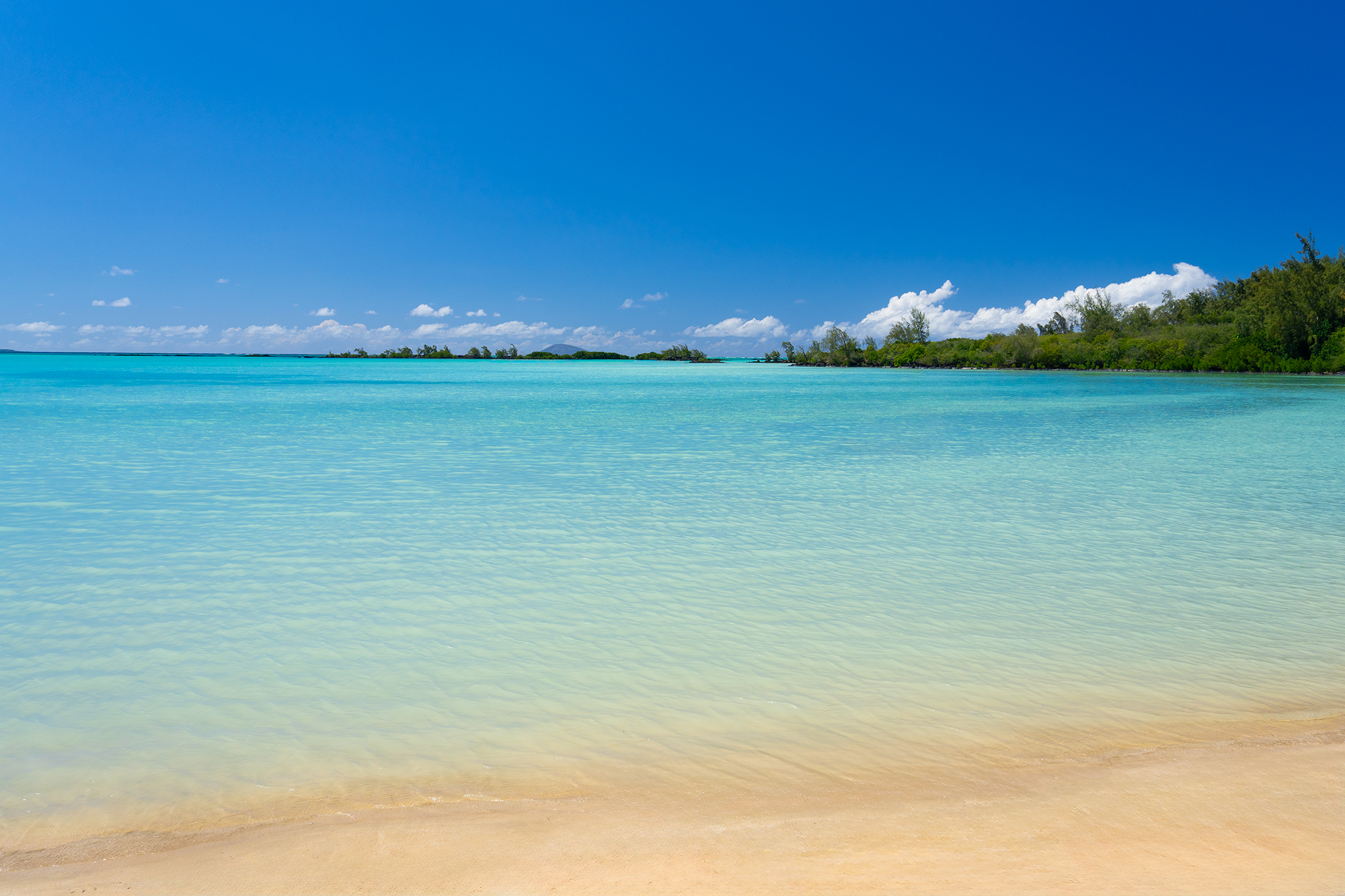
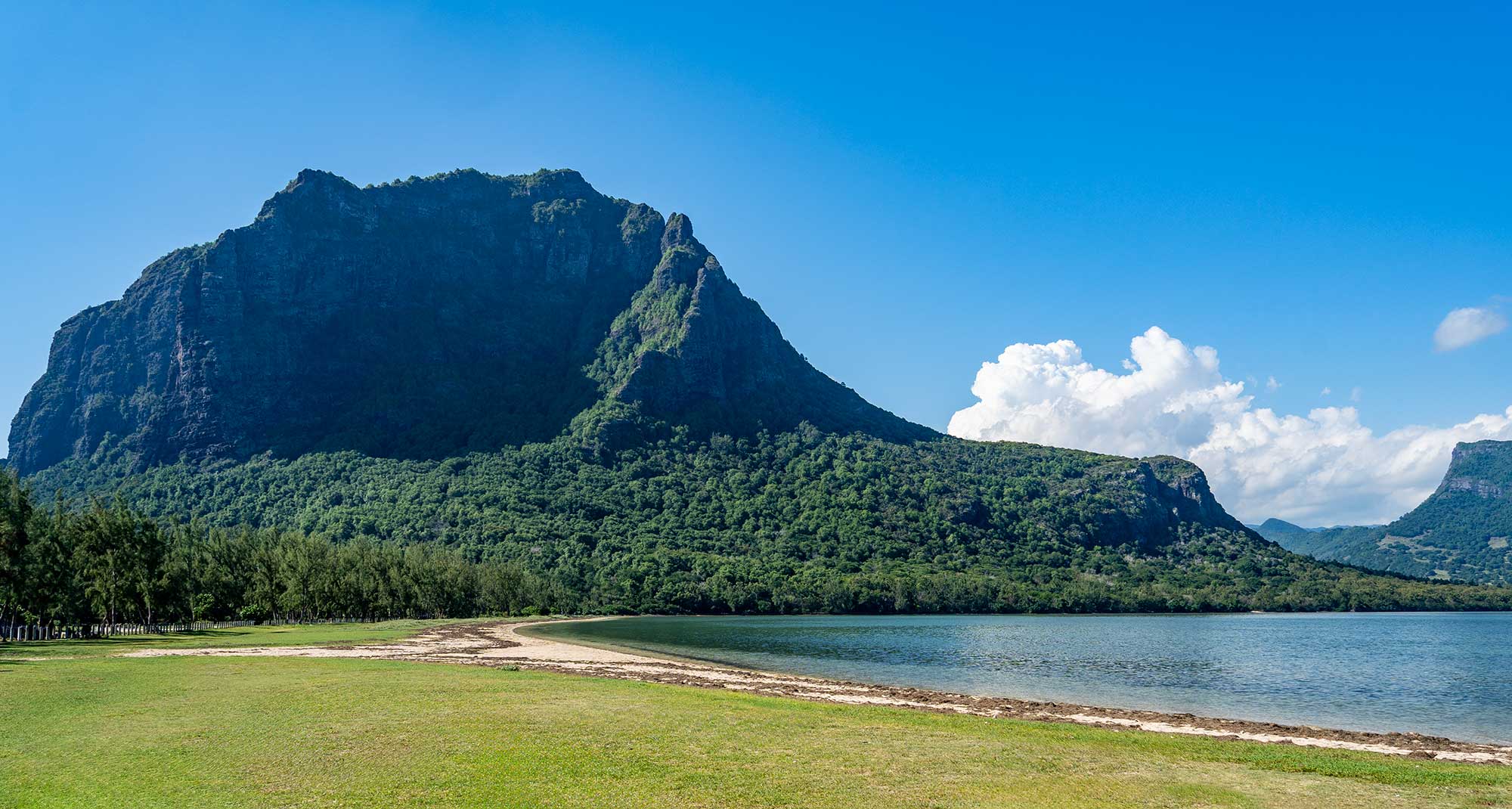
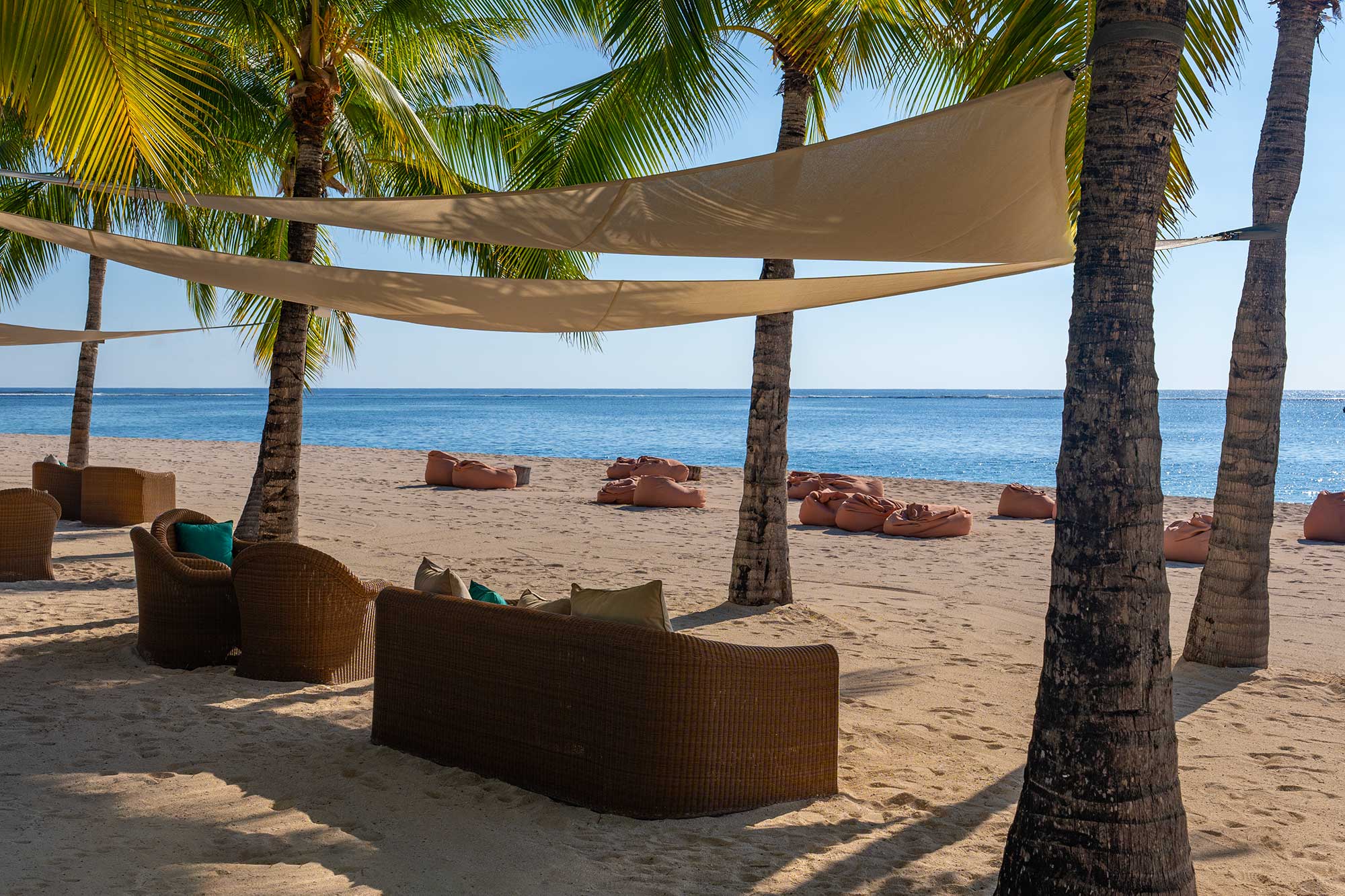
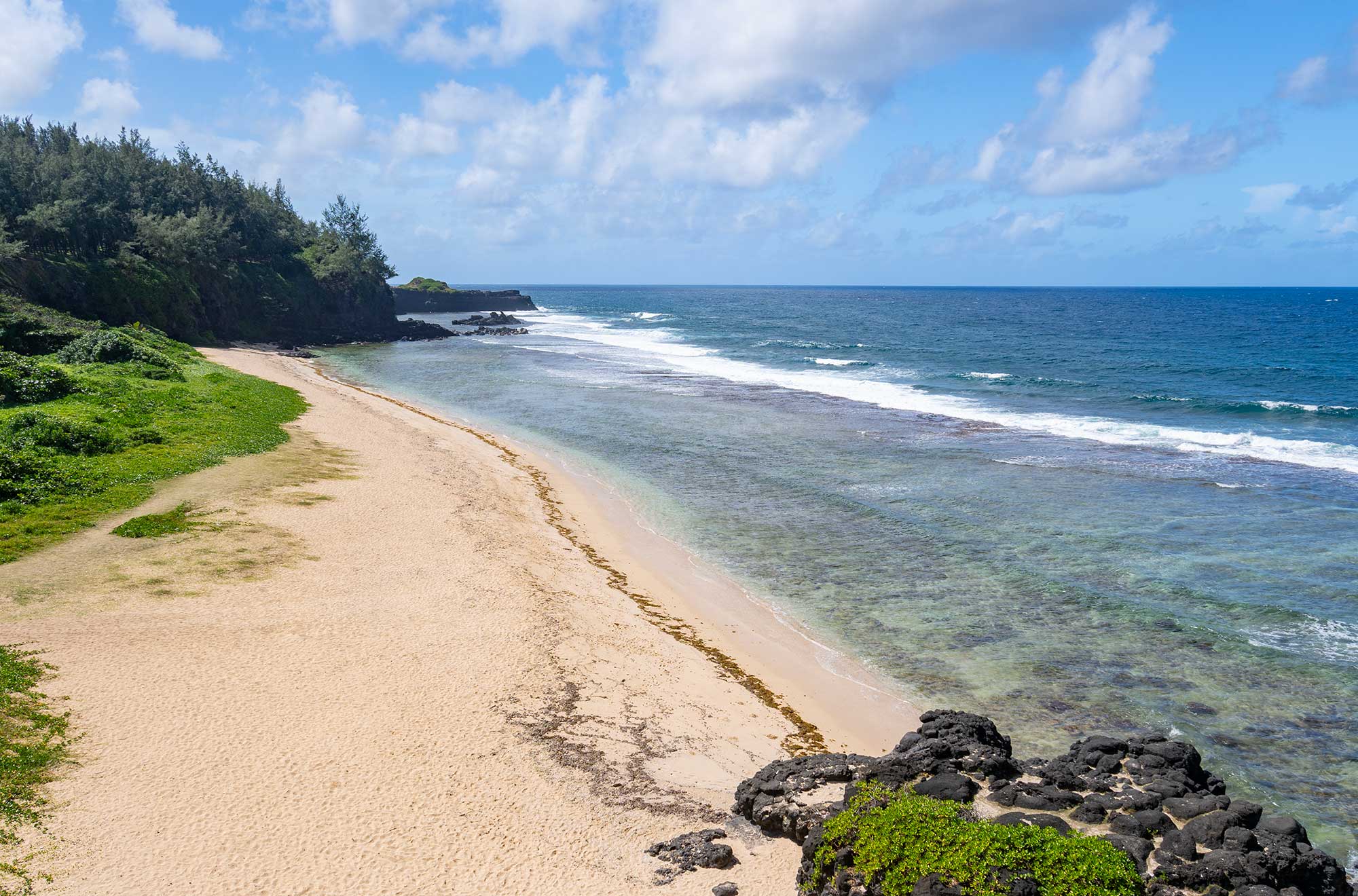
Except for the snorkel-friendly Le Morne and Blue Bay locations, I was not overly impressed by the beaches, many of which were crowded with fat, loud German tourists, littering the sand with their bloated bodies or wallowing in the placid, pond-like bays. The sea was murky on all the beaches I visited, except for the exceptions named, so snorkelling was usually a waste of time; this despite tourist brochures claiming “crystal clear” waters. If I’d known about the best snorkelling beaches from the outset, I would have spent much more time in the south.
Overall the trip was interesting, sometimes very pleasurable, but often stiflingly hot, overcrowded, and disappointing. The Mauritius Tourism Promotion Authority aggressively promotes the island as a premier tourist destination, “the safest country in Africa”, etc. The truth is not quite so rosy. Yes, it’s safe, but it’s a bit tatty, a true one-and-done, tourist trap destination. People who visited decades ago say it has lost much of its charm, so I’ve clearly missed the ideal window for visiting.
Onwards and upwards, where next? Will Trump stop messing with jet fuel supply and allow us to travel again?