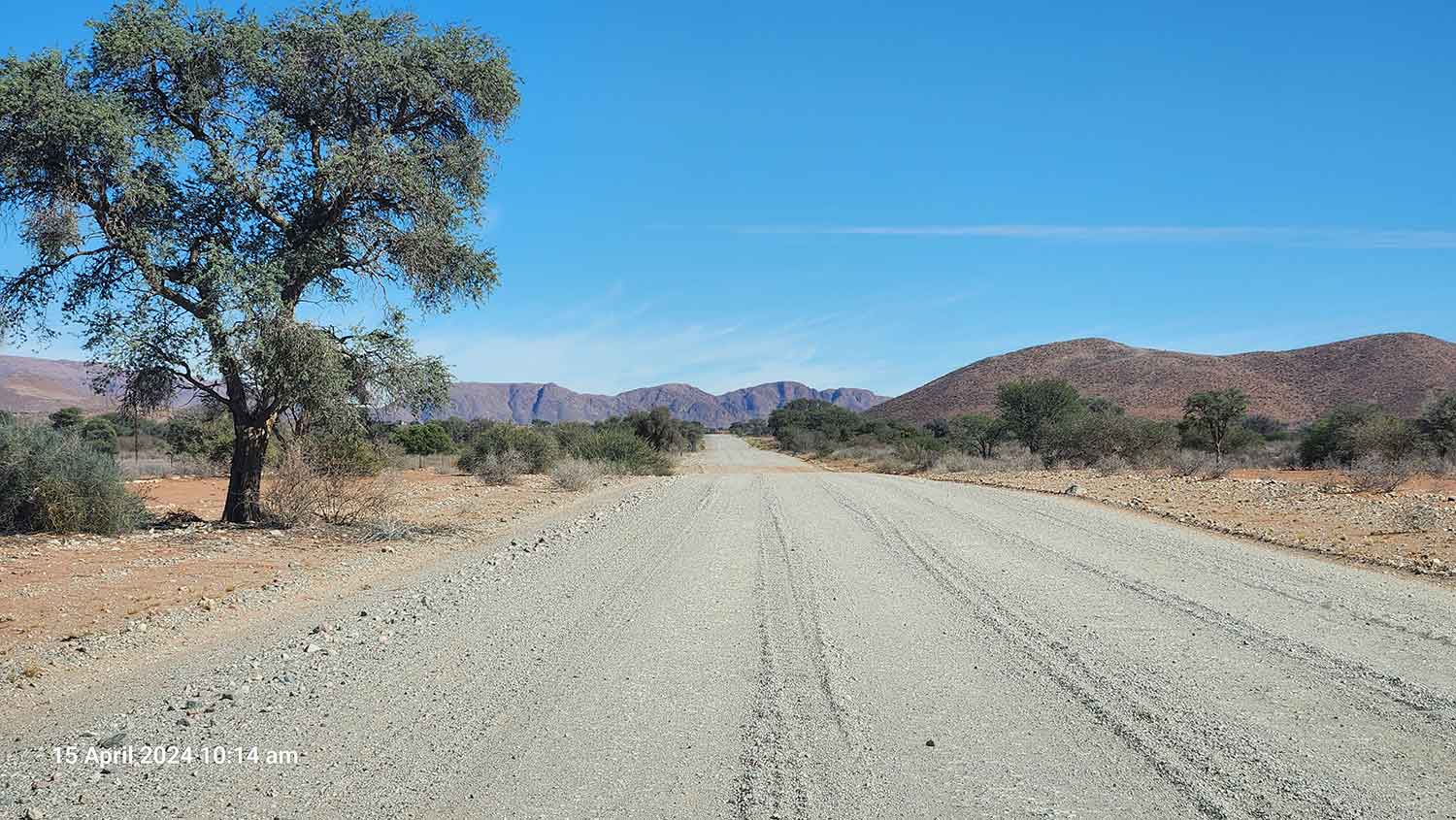
I went back to Namibia in April, 2024, for the first time in over 40 years. I hired a 4WD Toyota for the month. On the way there I had to go through the main South African air terminal, the OR Tambo Airport, an underwhelming experience.
Namibia
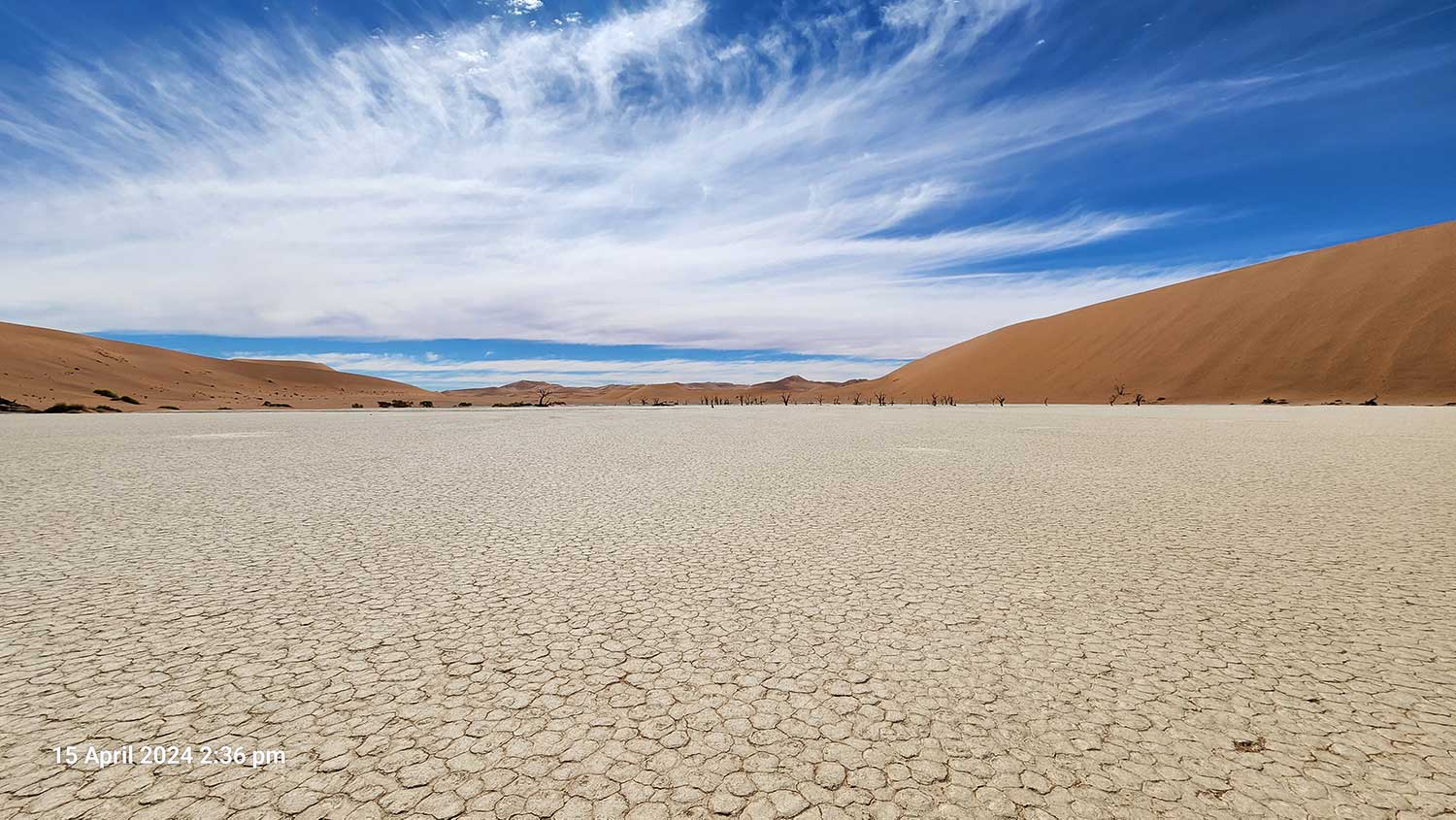
The atmosphere in Namibia is completely different to the one in South Africa. People are generally cordial to each other and race does not seem to be an issue. However, the country is incredibly dry, parched even. Light recent rains had left a flush of green on the landscape, and even some puddles at the side of the road, but it was misleading. In reality, the place is drying out catastrophically.
Drought
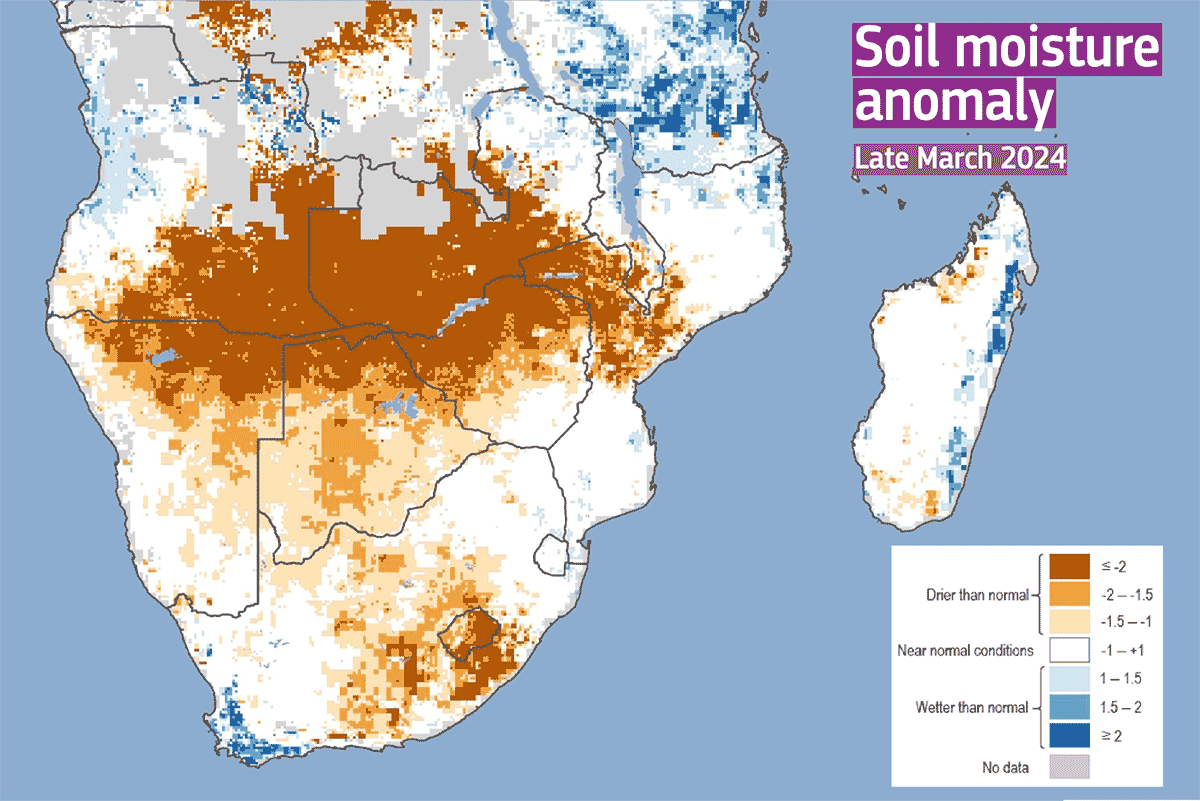
Identified as one of the driest countries south of the Sahara, Namibia has been experiencing persistent drought conditions for over 7 years. Rising temperatures and a severe lack of rain have intensified and expanded progressively across Angola, Zambia, Zimbabwe and Namibia. Namibia is highly dependent on its underground water resources, i.e. bore water, and these bores are running dry all over the country. Recently (2024), several districts have closed schools due to the lack of water. In the southern half of the country, most dams were below 10% capacity. This is becoming an existential crisis for Namibia. Climate change forecasts predict the country is going to keep drying out, an ominous portent.
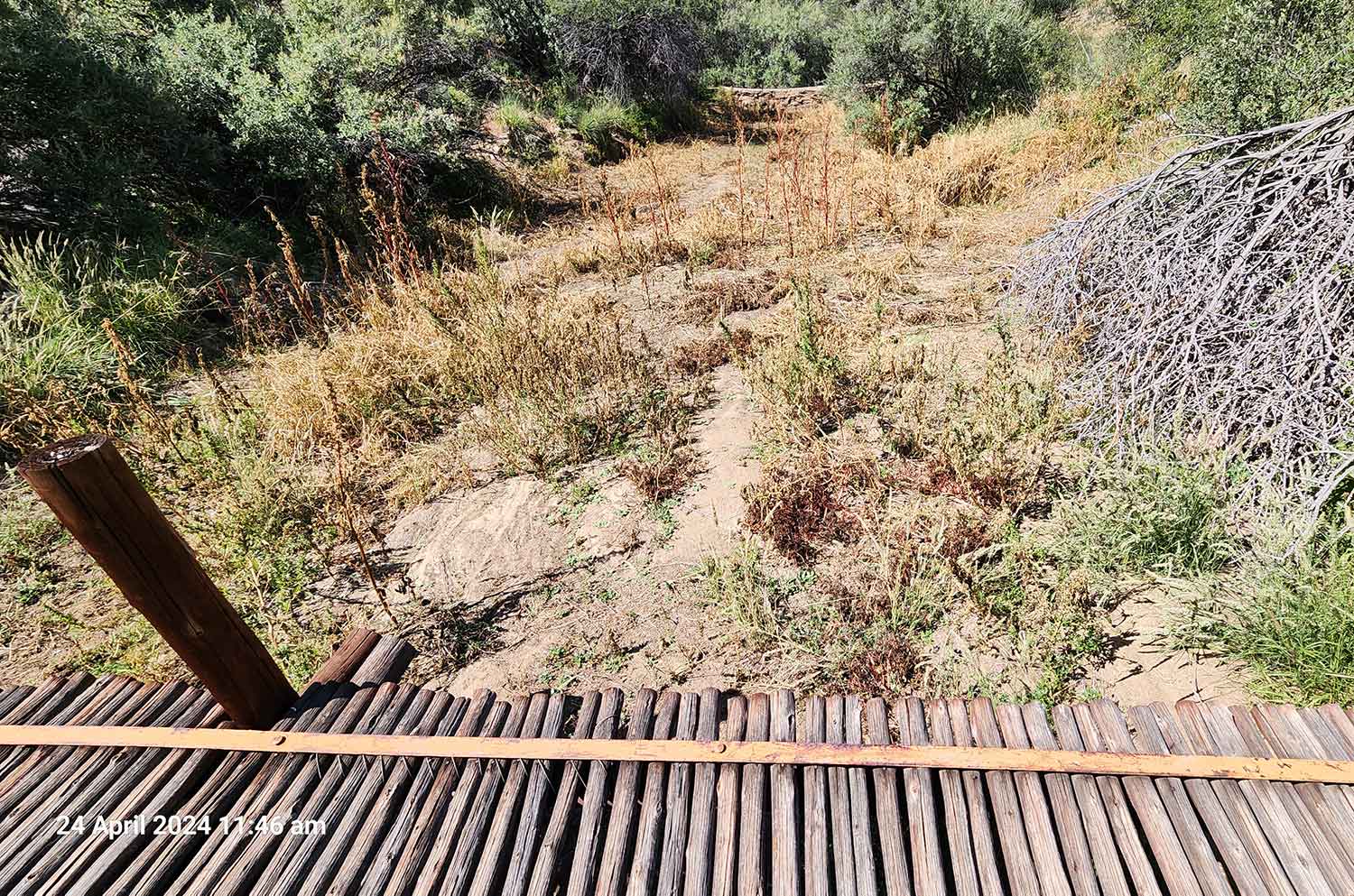
Later in the trip, I visited the Windhoek Botanic Gardens only to find it parched, with many of the plants yellowing or already dead. The ponds and stream at the base of the Gardens had dried out.
Southern Namibia
I set off south through the Rehoboth region, Mariental, Hardap, and Keetmanshoop. I could hardly recognize the towns. Mariental is now about six times the size it used to be in the late 1970s. I was heading for a certain cave that I’ll call the A-11 cave. It’s named after the American spaceflight that first landed humans on the Moon (I won’t mention the name because I don’t want people Googling the cave and ending up here). I’ve written a separate blog entry (with video) about that experience.
After that adventure, I went to Luderitz, the old coastal town, for the very first time.
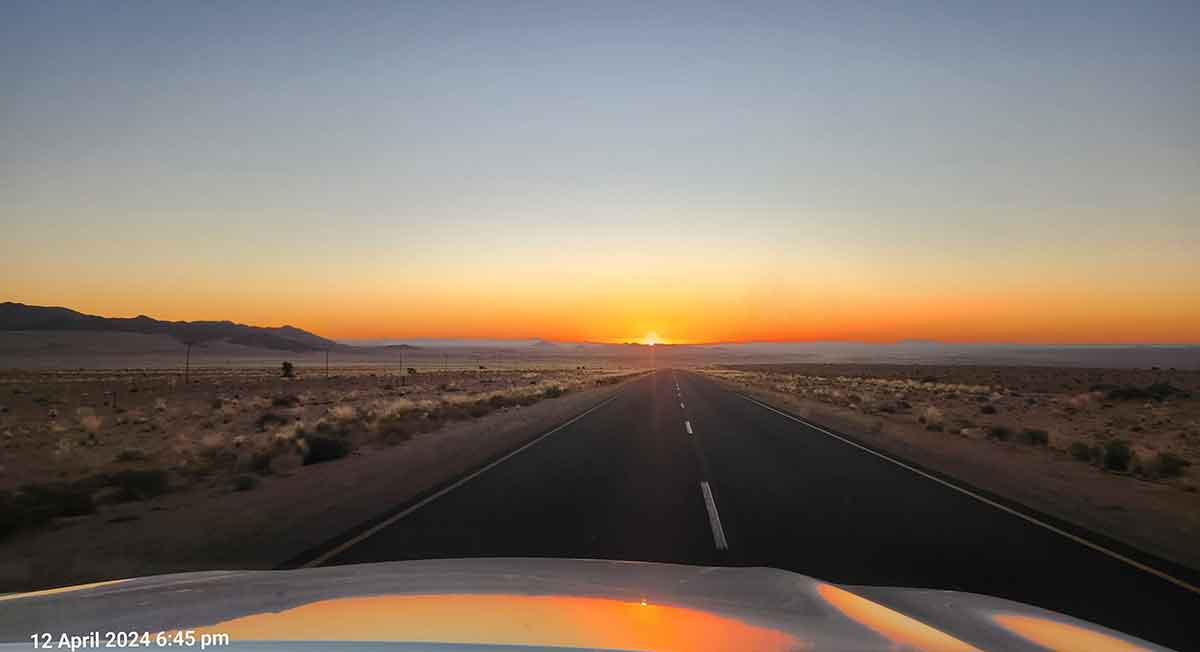
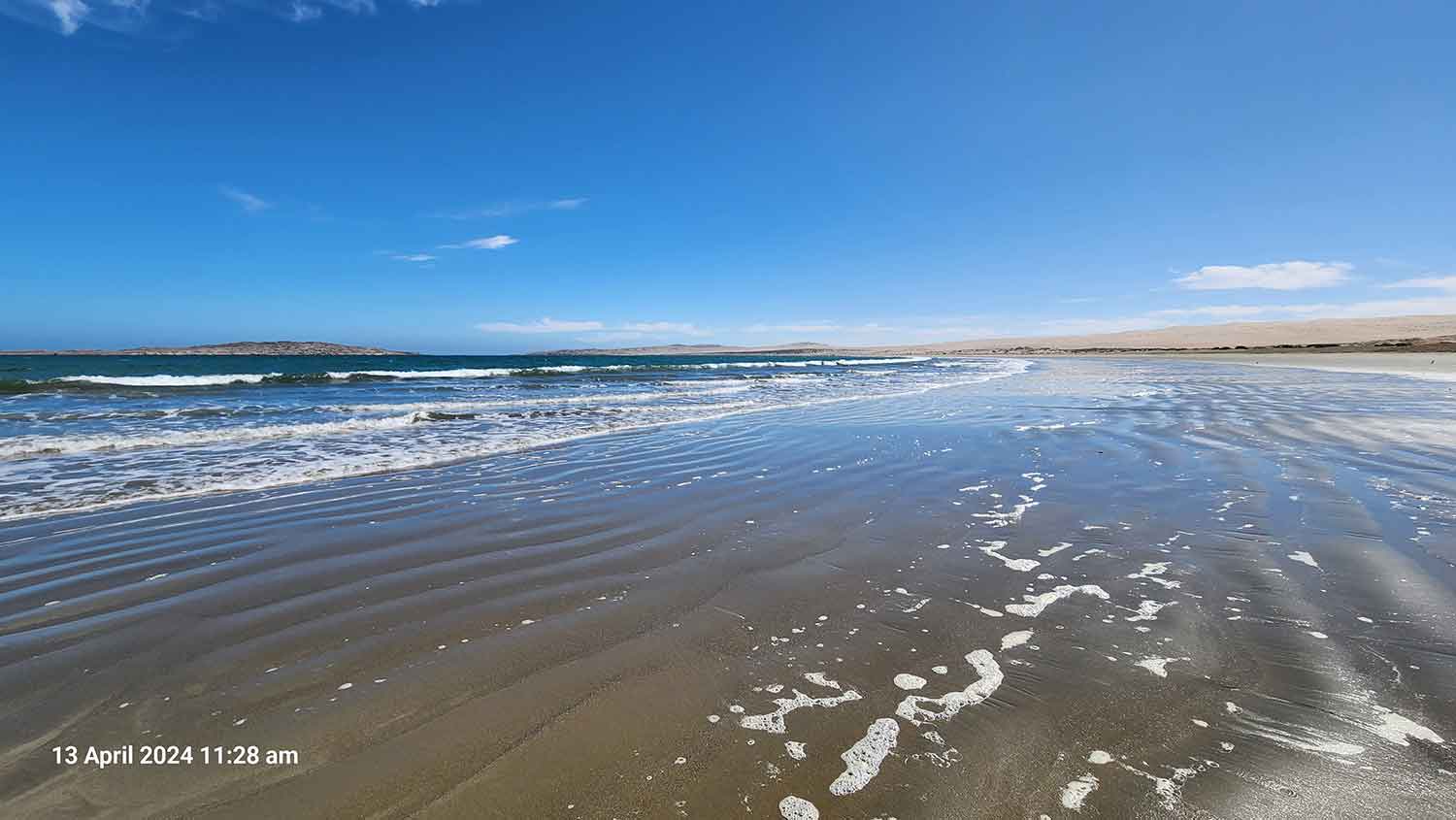
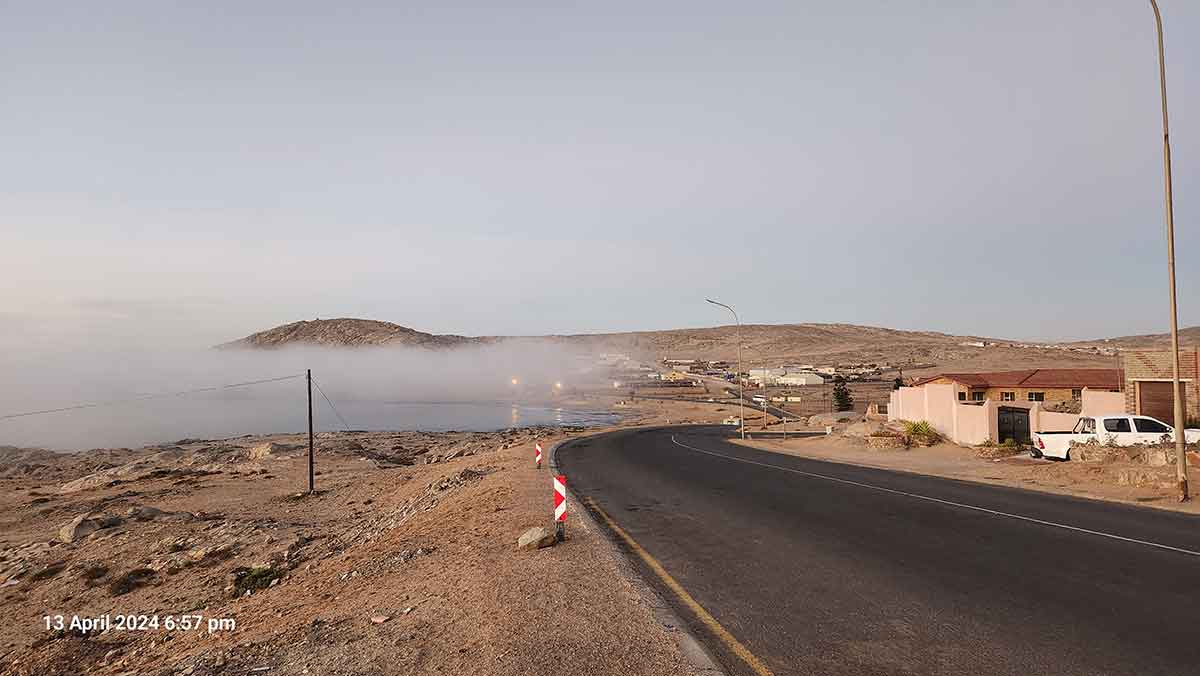
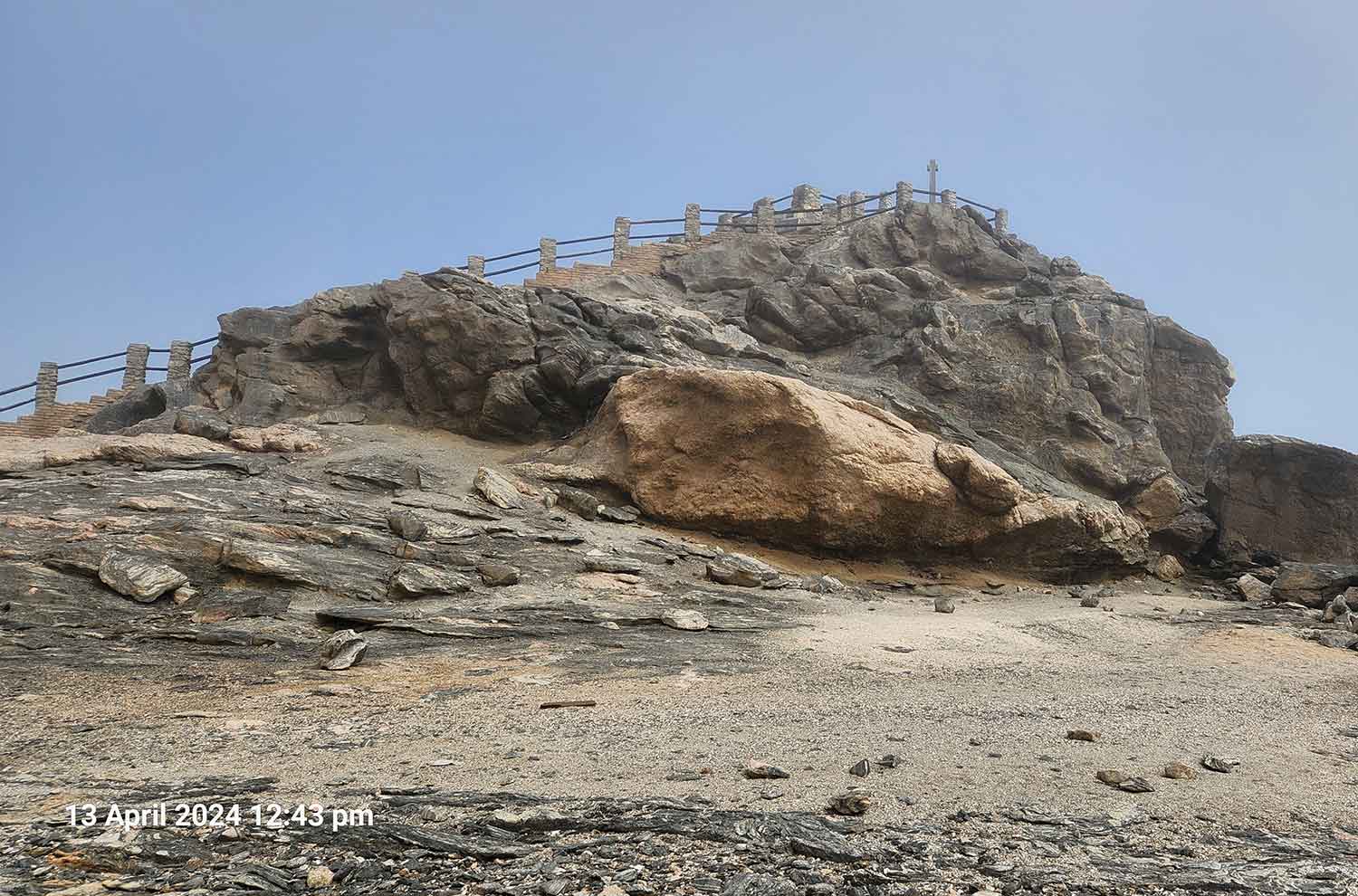
Luderitz is a town forgotten by the modern world, situated in the middle of nowhere, often shrouded in mists. I did not see any other white people there, other than a tourist getting fuel. There seems to have been a “white flight” from the town to some extent, although it’s probably not acceptable to mention it. Luderitz has the dishevelled look you can see nowadays all over Namibia, only more so. The unsealed roads, the plastic bags and rubbish scattered about, all lend an air of abandonment and decay. I was told to visit the supposedly beautiful nearby beach, Agate Beach. I found it almost deserted. The road there was strewn with plastic rubbish blown off the uncovered municipal dump. So unattractive, and so easy to fix, and so harmful to the tourist trade, on which the town relies. The inexorable decay that plagues Africa, the lack of caring, the insensitivity to environmental and aesthetic issues, all were on display here. The beach itself was dotted with 44-gallon drums full to the brim with trash left by campers and picnickers.
Sossusvlei, Walvis Bay, Swakopmund
Back on the road going north via Maltahohe, the landscapes were spectacular. I have a separate post on Sossusvlei.
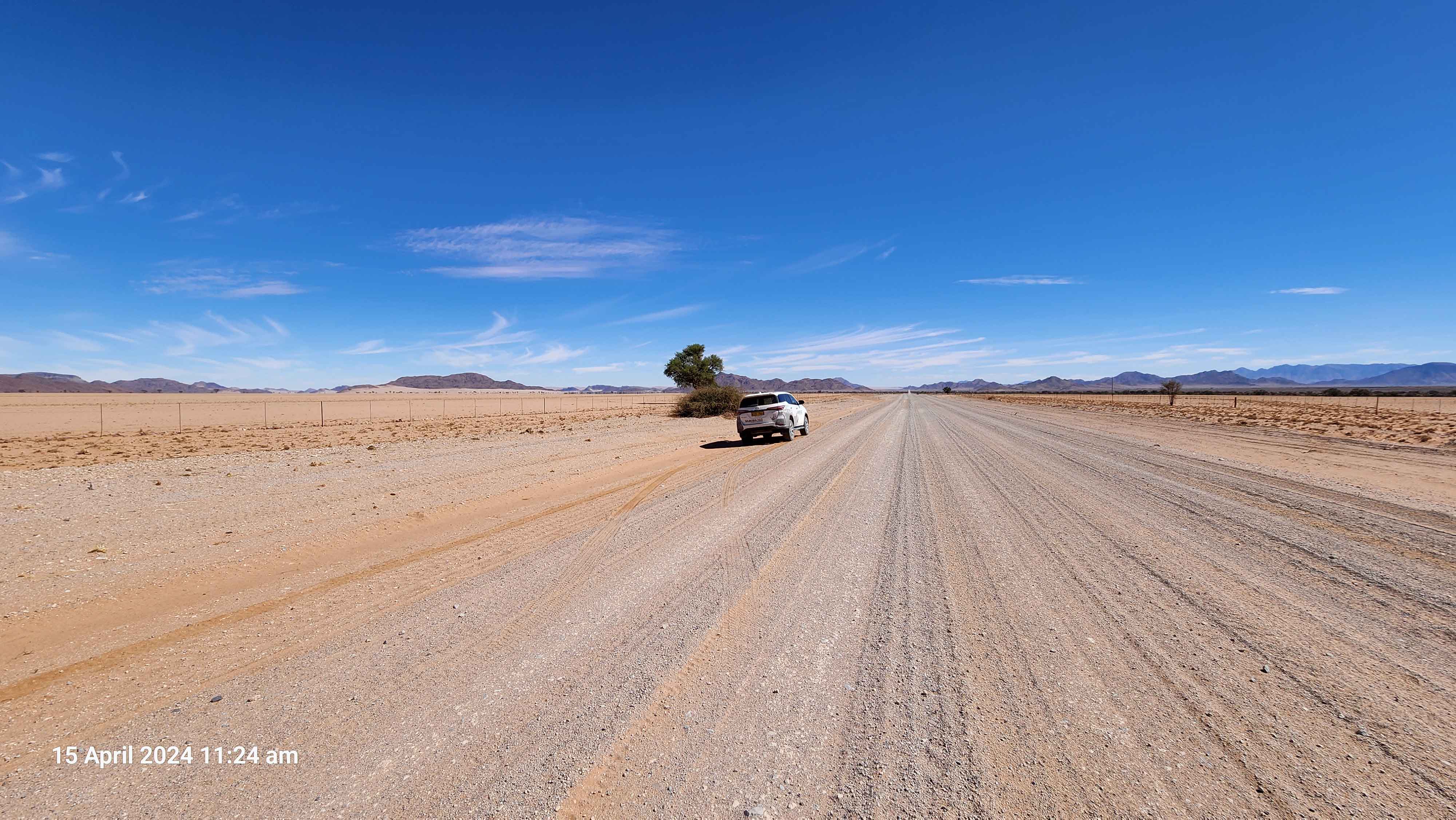
After Sossusvlei, it was on to the coast via the unnerving and tricky road through the Naukluft mountains. Walvis Bay was much the same as before, but bigger, and Swakopmund had grown even more, but with the German neatness and prettiness of yesteryear giving way to a more chaotic, crowded, dilapidated African present. Old buildings showed signs of neglect; many walls showed signs of cracking, the paint often in poor condition. Swakopmund’s heyday as a quaint, pastel-coloured 19th century piece of kuchen (cake) is forever gone. I visited the home we used to have when I worked for Rossing Uranium, far out in the northern suburbs of Swakopmund. Our house used to be the very last house in Swakopmund, at the end of the northernmost street. Today it is well within the suburbs, and substantial new home construction is apparent even further north.
Brandberg and the White Lady
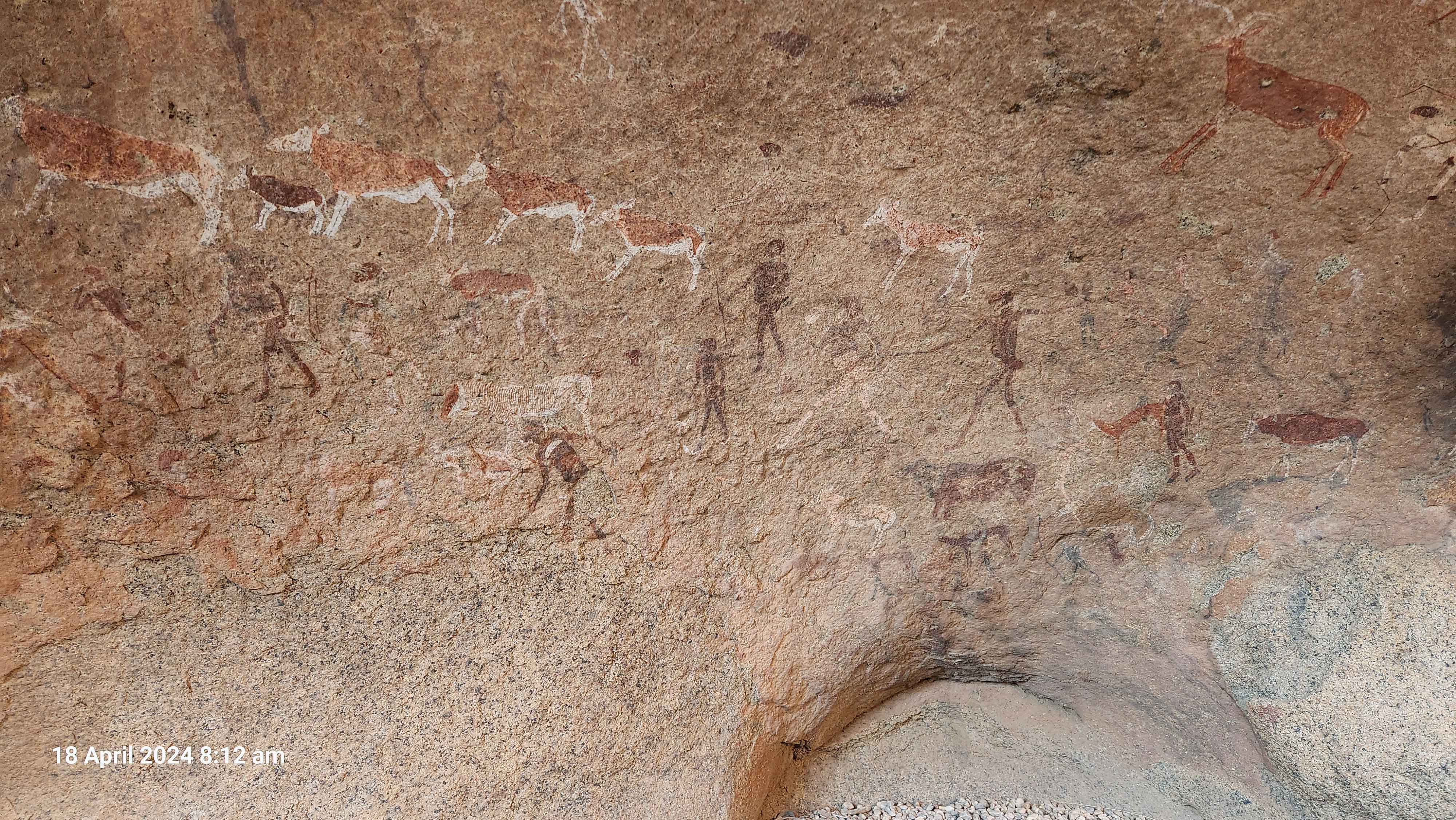
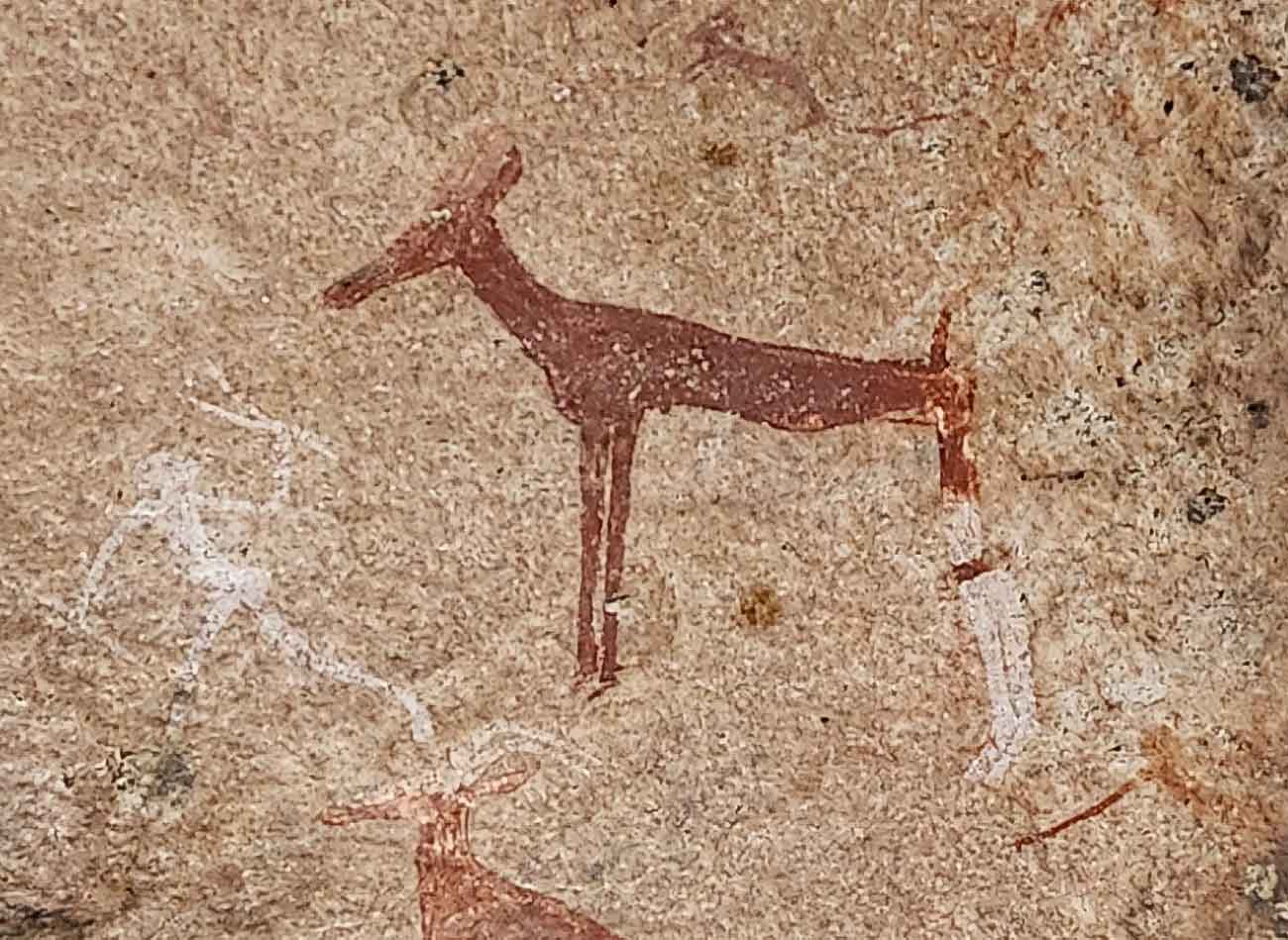
I headed north to the Brandberg and its ancient rock art. The weather was still very warm for April, so I made sure to arrive at the carpark for visiting the famous White Lady before dawn, and I was the first person to head off to the paintings that day, with my guide, a small Owambo man who had done this thousands of times before. It’s about a 5km walk, there and back, down a dry riverbed in a canyon, over rocky, uneven ground. I was grateful for the coolness of dawn and I could imagine that in the heat of the day, with baking temperatures over 40°C as the sun reflected down off the canyon walls, this walk could be hazardous. My guide confirmed that with stories of people who had died making the walk. The walk was worth it. The San (bushman) paintings, which are to be found all over the Brandberg, are a rare treasure and the entire Brandberg area should be declared a world heritage site.
Erongo Hills
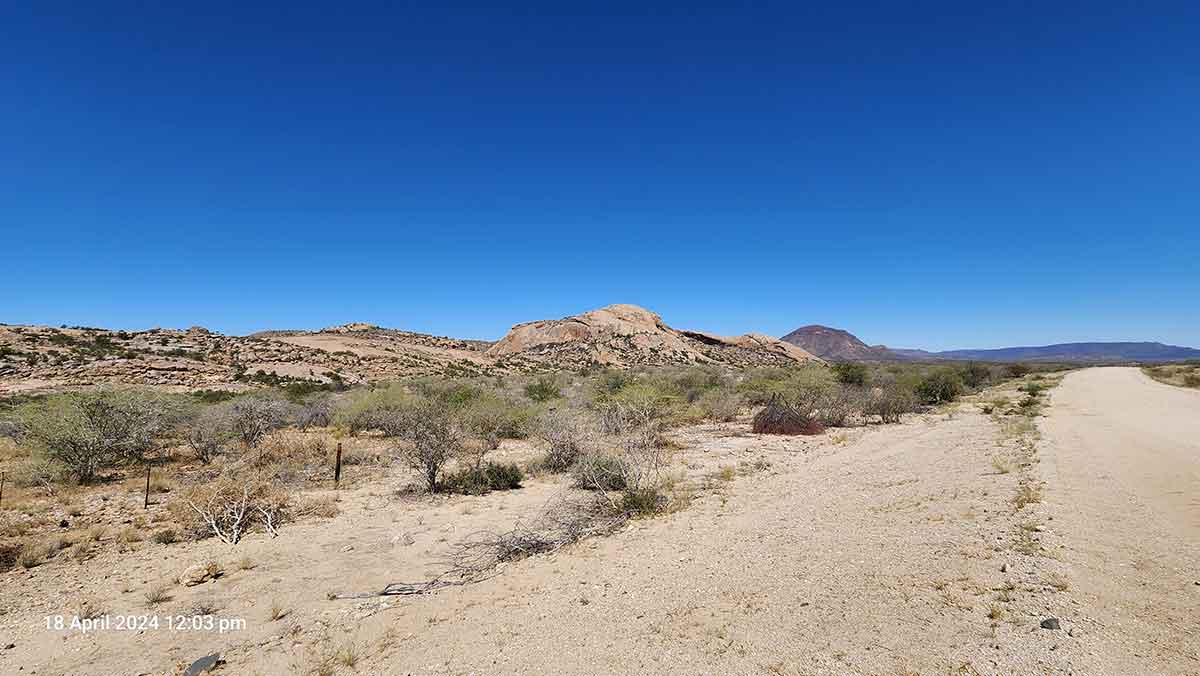
From the Brandberg I headed to the Erongo Hills and Omaruru. The back roads in this area are very picturesque, although they are eclipsed by the scenery flanking the Maltahohe-Sesriem road. I went through Usakos and Karibib, which were very different to how I remembered them. They used to be very staid, neat German-Afrikaner towns. Now they’re crowded, the roads potholed, the buildings in need of repair, the black population hugely increased, vendors crowding the roadsides, people milling about rather aimlessly, traffic jams in the main road. The old ‘South West Africa’ has gone. It’s sobering, to see how everything changes, and it made me feel old.
The next day, I was back in Windhoek. Being a neophyte with booking accommodation using “apps”, I mistakenly booked a 2-week stay in a boarding house in Katutura, the black suburb (township) north of Windhoek. I only realised my error when I was close to arriving, and, because canceling and getting a refund was so difficult, I decided to go ahead with it. I’m glad I did, because I learned a few lessons about race relations in Namibia. I was treated with respect and deference, perhaps because of my age, even to the point of people offering up their places in line at the local supermarket. I never felt threatened or fearful, even as I walked through crowds of hundreds of blacks at the local stores, with me the only white face. The whole time I was there, I don’t remember hearing police or ambulance sirens. I’m not saying it’s a paradise, but I am saying that, unlike South Africa, there is a level of racial harmony in Namibia that is enviable, and a precious thing. I hope it survives the stresses of climate change.
One interesting thing I noted about Namibian society is that the stores are mainly full of marbled meats and a wide range of cheeses. You can buy any food you like, as long as it comes from an animal. Once again, gluten-free is unknown, even at the biggest stores in Windhoek, and the manager of the largest supermarket made me spell T-O-F-U because he had literally never heard of it before. Plant based milks (soy milk, almond milk etc) are likewise unknown, and if you ask for them you get a puzzled look. So going to Namibia is like going back in time, in some ways, to 1980s South Africa.
Daan Viljoen Game Reserve
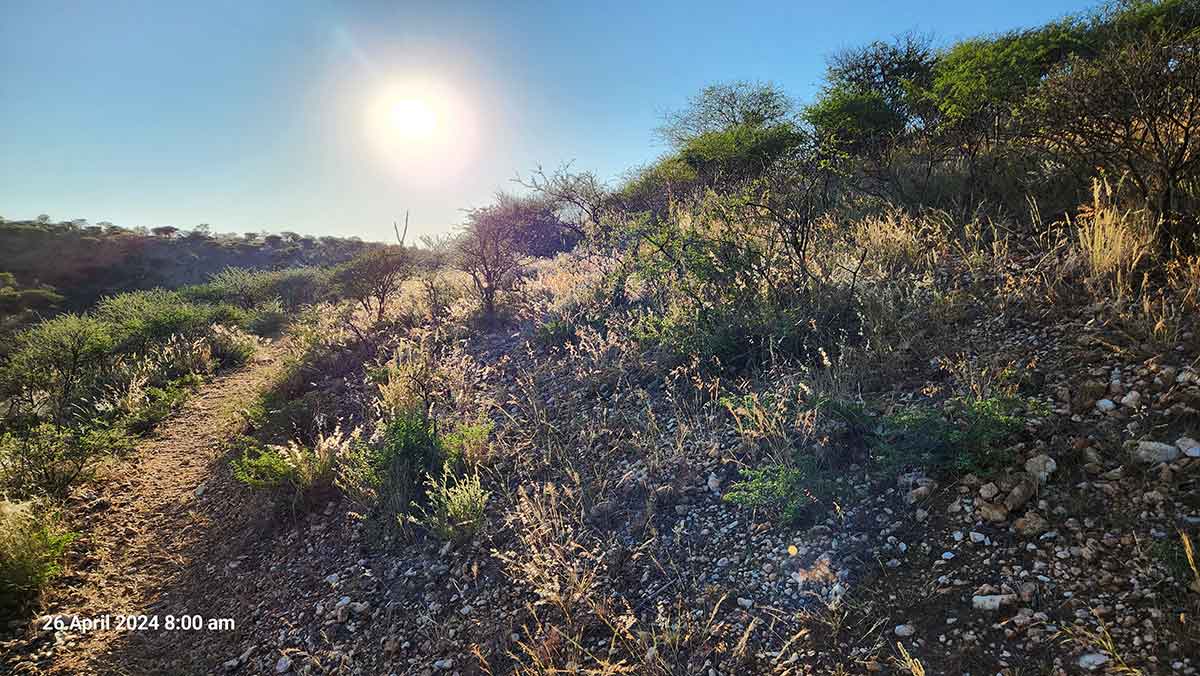
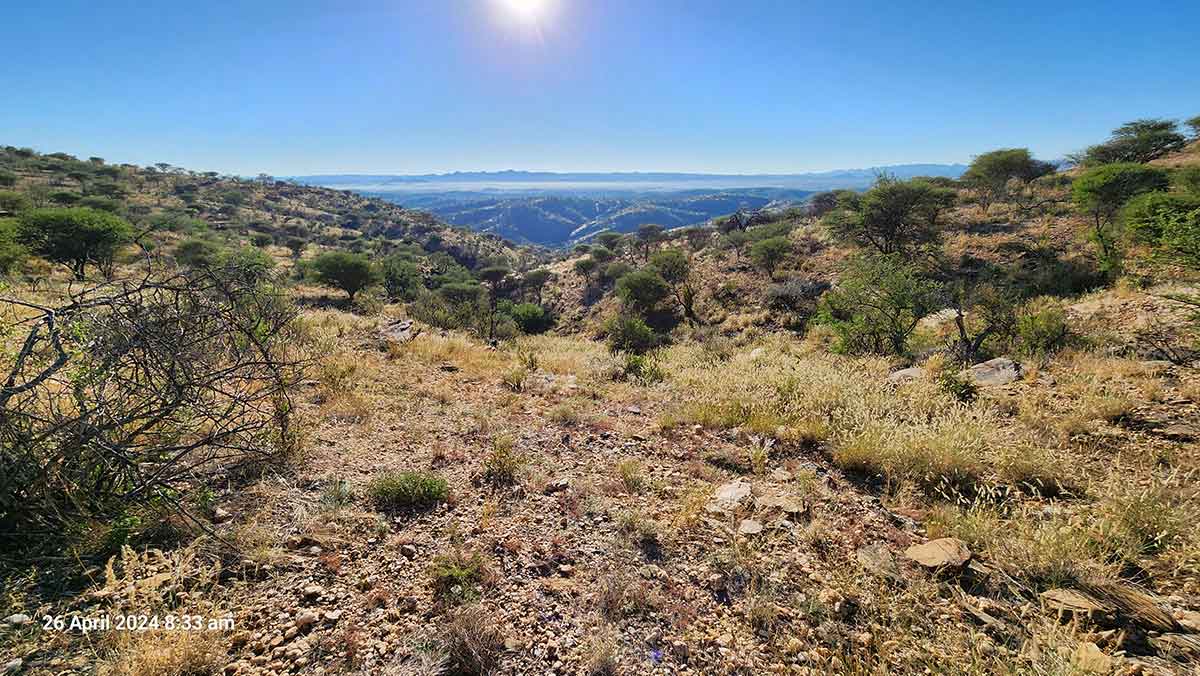
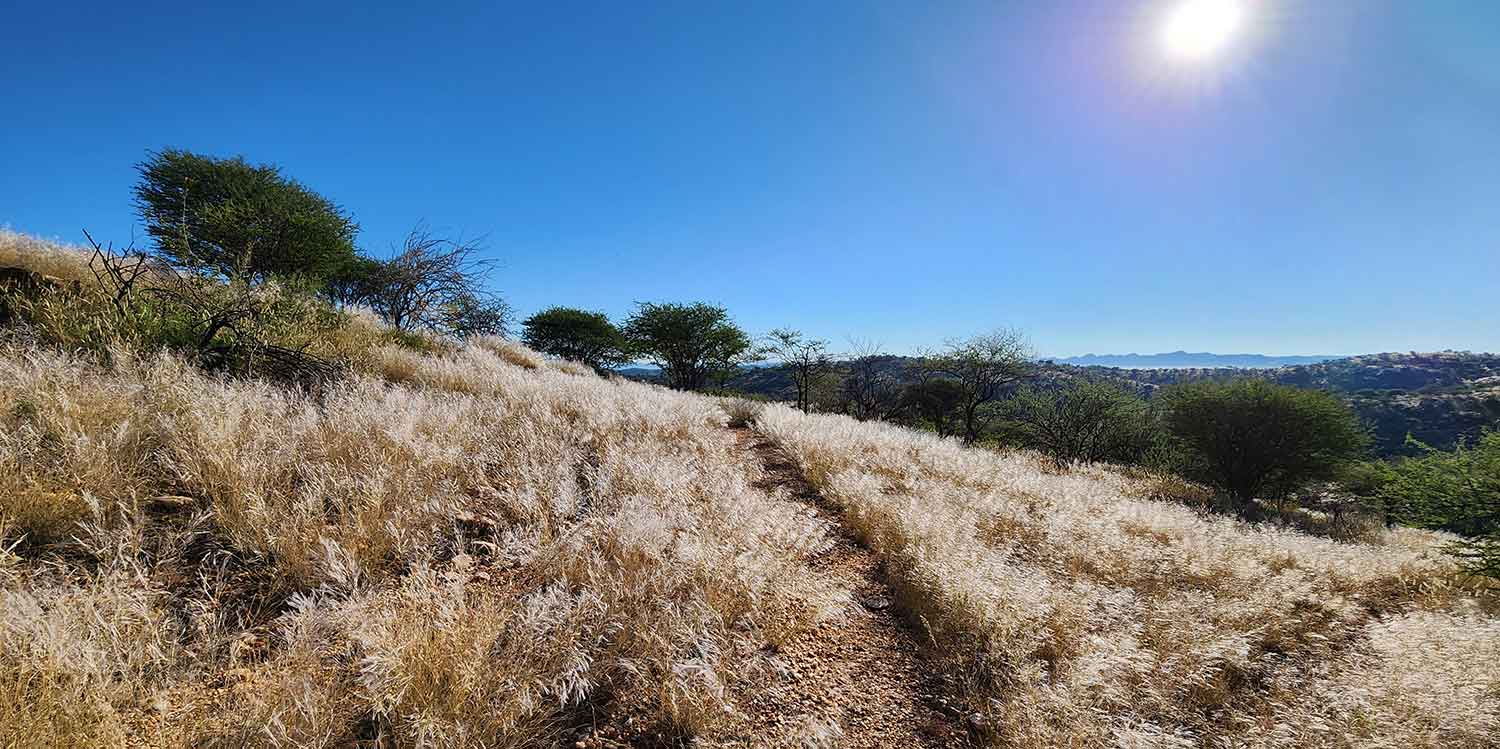
I spent a morning at Daan Viljoen, arriving in the dark before dawn to avoid the heat, and setting off alone on the 9km hike over the hills and koppies of the reserve. You are actually not allowed to walk alone because of the dangers of heat exhaustion, heart attack, becoming lost, snakebite etc, but I assured them I was a seasoned hiker (I’m not) and set off in the cool of dawn. I was completely alone. The tourists were not visiting this reserve, it seemed, probably because the ponds and dams that are a feature of the reserve have all dried up. I trekked alone up a dry river bed for a kilometer or two, my only companion an irritable wildebeest, who snorted warnings at me that left me a little nervous. Had the animal charged me I would have been defenceless. But hey, I’m old, and nobody needs me, so what the hell! There are worse ways to die.
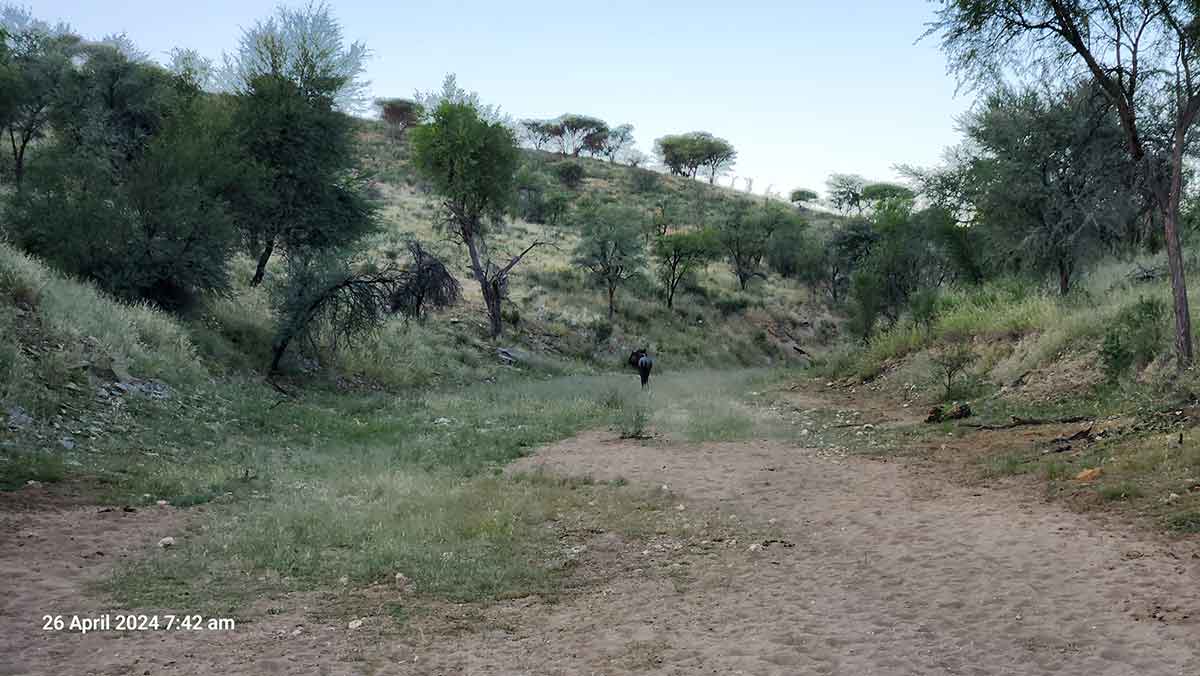
The hike goes up and down rocky hills so it is much more strenuous than I expected. Half the signposts were missing, so I lost my way and managed to turn a 9km hike into a 14km hike! By the time I got back it was seriously hot, over 30°C. I complained to the staff about missing signposts but was met with philosophical resignation and the comment “Yes, we hear that a lot”. My watch said I’d walked 19,000 steps up and down hills, jumping from rock to rock a lot of the time. My joints ached a bit afterwards, but overall I was surprised that I was able to do this walk at my age, with so few sequelae.
Finally I flew home, to a case of Covid (now recovered). The trip was cathartic and will serve as a springboard to many more journeys, to many countries, as long as my “healthspan” (as opposed to lifespan) lasts. I proved to myself that I can do this on my own, with ease. Will I return again to Namibia? I doubt it. Unless the scientific climate change predictions of worsening drought in Namibia prove to be wrong, I’d rather not return just to witness the slow decline of the landscape. Sometimes in life you cannot go back.